Feeds:
Posts
Comments

On a flight home from Kenya last summer, I sat next to a young man from Burundi. His country was just holding elections, and we got to talking about them. I’d heard people calling the elections a sham because the opposition boycotted them, and there was only one candidate (from the ruling party) to even vote for. I asked what he thought about that situation and the current president. He said ‘Well, you know, we Africans…. sometimes these guys have their own style of doing things which others may not understand.’ We got to talking about politics in countries near Burundi and African big men who don’t want to step down. He kept joking, with each subsequent leader: ‘Hey… well, you know, I guess he has his own style too.’  Seems there is a lot of personal style to be reckoned with.

Consider Laurent Gbagbo in Cote d’Ivoire who’s refused to step down as president and whose conflict with internationally recognized president-elect Ouattara is bringing (has brought?) the country to civil war. I’m about as far from a Cote d’Ivoire expert as you can get, never having visited the country and not having a great handle on the history or much knowledge about the current situation. So I went digging for some news articles and opinion pieces so I could understand things better.

Alex Thurston gives a good round-up on Sahel Blog and John James describes the day-to-day in his article Ivory Coast’s Descent into Madness (heard through @scarlettlion). This sobering article, West Africa lurches towards war, from March 11, explains how the Cote d’Ivoire conflict could impact the whole region. The International Crisis Group sums up the situation like this:

‘The election was part of a peace process that began after the September 2002 rebellion and was endorsed by several accords, the latest the 2007 Ouagadougou Political Agreement that all candidates, including Gbagbo, accepted and that set out compromises on organisation and security for the balloting. Ouattara won the run-off with a margin of more than 350,000 votes over Gbagbo.

The UN certified that result, but Gbagbo used the country’s highest court to throw out votes arbitrarily so he could stage a constitutional coup. Since then, he has relied on violence and ultra-nationalist rhetoric to cling to power. Over 300 people have been killed, dozens raped and many more abducted and disappeared by security forces. ECOWAS and the African Union (AU) have recognised Ouattara as president-elect and asked Gbagbo to step down, but he is apparently prepared to resist to the end, even if it means throwing Côte d’Ivoire into anarchy, war and economic disaster with terrible consequences for the entire region.’

Aaron Bady of ZunguZungu goes deeper and analyzes the historical roots of the conflict in his post Our deafening silence on the Coast of Africa: Cote d’Ivoire and our Myth of Continents, which I’d encourage you to read in full.

‘This is, in other words, about the political power structure working to limit who gets to politically represent and be represented in this “African” nation, precisely by drawing a line to separating “North Africa” from “West Africa,” in politically interested ways, to maintain political control for the ‘real’ Ivoirians in the south. Without denying that there might be other bad guys in this story, the fact remains — virtually unspoken — that ten years ago, Ouattara’s ethnic origin as Burkinabé — his parents were from Burkina Faso — was used by politicians from the predominantly Christian southern part of the country to disqualify him from running for the presidency; a political campaign of “Ivorité” worked to distinguish between “indigenous Ivorians” and “Ivorians of immigrant ancestry,” as a thoroughly programmatic effort to dis-enfranchise the (largely Muslim) north by lumping them all together with the (many) immigrants in the north who originated Burkina Faso. The current violence started with a disturbingly analogous move: after Ouattara was declared to have won the presidential election — by the UN, ECOWAS, the AU, and all international observers — the Gbagbo controlled Constitutional Council threw out 660,000 votes from the north and gave the election to Gbagbo.

It’s all very complicated. But for now, my point is simply to note that these geographical categories are not only part of the problem in Côte d’Ivoire itself. In this case, they are part of the reason why we find it so difficult to even talk coherently about the problem.’

*****

The organization where I work operates in Liberia, and so I’ve been getting updates about the situation on the Cote d’Ivoire-Liberia border, where we’re providing some support to the large number of refugees streaming into Liberia. These updates describe a deteriorating situation. Ghana, Guinea, Mali and Burkina Faso haven’t received as many refugees but are still starting to feel the effects of the conflict heating up. The past week saw a spill-over of violence onto the Liberian side of the border as armed Ivorians entered the Liberian territory and attacked Liberian and Ivorian nationals who were found along the North Eastern Liberia-Cote d’Ivoire border.  UN security troops were deployed to put an end to the fighting and gain control. Serious shooting has also been reported along the South East Liberia-Cote d’Ivoire border, accelerating the influx of refugees into the counties of Maryland and Grand Gedeh. One report says that in Cote d’Ivoire, rapes, abductions and killings are being committed by people supporting both sides and influential leaders appear to be deliberately stimulating attacks against political opponents, other ethnic groups, nationals from other West African countries, as well as UN staff and operations.

I was Skyping Wednesday with my boss, who lives in Burkina. She oversees our programs in the West Africa region, including emergency and humanitarian crises. She said there are over 80,000 refugees who’ve come into Liberia already, ‘and it’s only going to get worse.’

On top of those who have fled into Liberia, there are at least 300,000 internally displaced. ‘The area where the refugees are in Liberia is totally undeveloped,’ she said. ‘It’s 26 villages with no infrastructure which now have to cope with the influx of people. People don’t want to go to a camp. They prefer to stay in the villages. There are security worries as there is fighting very close to the border and armed men from Cote d’Ivoire are crossing the border to Liberia and started firing on the Liberian side of the border. They were shut down by UN troops, but it’s worrying.’

Since she and I talked the situation has gotten worse still. Foreign Policy Blog reports:

‘This is the real thing. In a message on state television last night, Gbagbo — who has refused to step down after losing an internationally certified election in November — asked civilians to get involved in the fight to “neutralize” his opponents. That’s about as close as you get to saying pick up your machetes and join me. Or forget machetes; Ivory Coast is still heavily armed from its civil war last decade. Gbagbo certainly hasn’t been shy about using military force lately; his forces are thought to have been behind a mortar attack on a market yesterday that left 40 people injured. Earlier this week there were reports of his using helicopters and tanks to mow down suspected opposition supporters.’

My boss also worries there will be a cholera outbreak. The rains started early and the hygiene conditions are bad. Ghana has a cholera outbreak right now, and it’s likely that with much people movement, rains and inadequate sanitary conditions, there will be an epidemic. ‘And people from Cote d’Ivoire are hungry,’ she said. They haven’t had access to cash for weeks as all the banks are closed and food stocks are used up. We are feeling this even here in Burkina as food coming from Cote d’Ivoire starts to get short and prices increase…. And many of the refugees are adolescents. We are worried about them being hired into armed forces, so we are looking into options to try to organize the youth to simply give them something to do.’

On March 3, the International Crisis Group issued the steps that they see as necessary to avoid a civil war and conflict that will shake the whole region:

‘The requirements to avoid a disastrous new conflict include Gbagbo stepping down; Ouattara offering to negotiate, with civil society help, an agreement for unity, national reconciliation and an interim transitional government with him at its head (but without the irreconcilable former president); the UN peace-keeping mission standing firm to carry out its civilian protection mandate; and the international community unequivocally supporting any decisions of the Economic Community of West African States (ECOWAS), including deployment of a military mission.’

I wonder if these actions will actually be taken, or if the escalating situation will allow for them to be taken, as each passing day seems to throw the country further towards a seemingly impossible-to-resolve situation.  It’s tempting to think that people are not paying attention to this crisis because of other crises happening right now in Japan, Egypt and Libya. I’m not convinced. Aaron Bady’s post, referred to above, spells out other possible reasons for the lack of attention to the situation, including the common narratives about Africa, ‘the dark continent’, that color our perceptions and reactions. Again, I’d really encourage you to read the whole piece, but here’s a bit of it:

‘It isn’t that “we” don’t want to understand; it’s that we don’t know how to see beyond the initial same-old-story-ness of this story, when we hear it. Which is why, I would suggest, we end up where we started: a sense that, because there is violence, we should pay attention to what is happening, followed by the discovery that there is no news there; just the same “turmoil in Africa” narratives we sort of quietly presume to be going on across the continent all the time, and nothing we can think anything new about.’

I’m someone who rants quite a bit about the negative images we associate so often with Africa and Africans. But looking at the information available about the current situation, I’m having a hard time finding any hope there. I wonder what solutions there really are, where they come from, and if and when these cycles will end. Is it because I haven’t visited Cote d’Ivoire myself that it’s hard to see beyond the negative narratives? Is it because I don’t personally know the day-to-day ‘place of friendly people, amazing fresh fruit, long and unspoilt tropical beaches ‘ that John James describes? In my mind, I keep coming back to the narrative about Africa’s ‘big men’ and their ‘personal styles’.

Seems I’m also caught in the thinking trap that Aaron laid out.

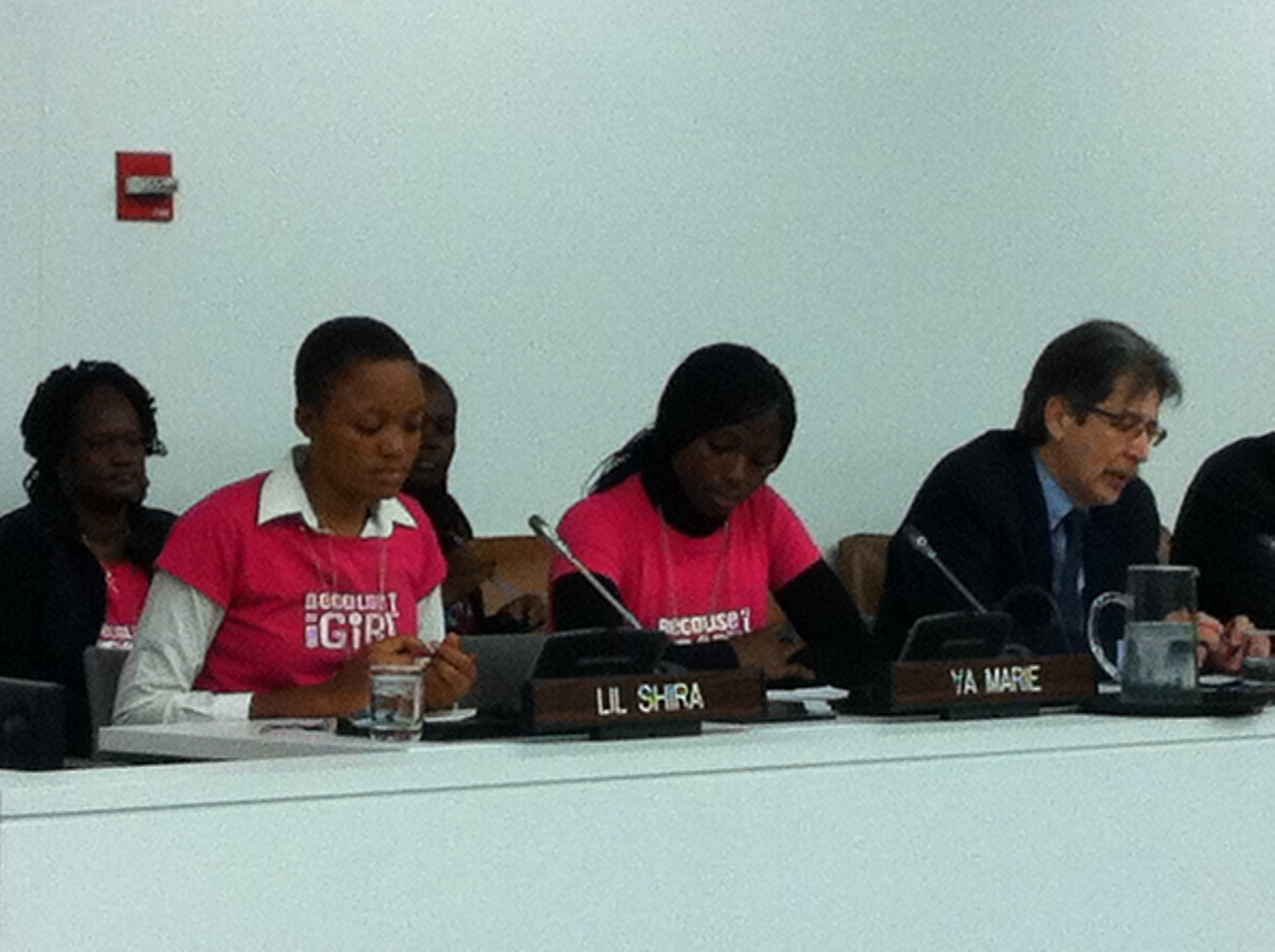
This is a guest post from Lil Shira, one of the girl delegates who attended the 55th Session of the Commission on the Status of Women in February, 2011. Lil Shira was part of a Plan led Girl Delegation which took part in high level panels, side events and caucuses. This post appears complete in its original format. You can read a post by Fabiola, another of the girl delegates from Cameroon, here.

Lil Shira in the community

My name is Lil Shira, a high school student and a Cameroonian.  I am the second child out of five children in my family, three girls and two boys, and we live in a rural area. Because I am a girl I was selected by my school authority to be part of the journalism club in the school. This paved my way into YETAM (Youth Empowerment through Technology, Arts and Media) project sponsored by Plan Finland since the Journalism club was chosen for this project.

Because I am a girl I had to use the skills I have acquired in YETAM on music, media and ICTs to indentify issues like the problem of early and forced marriage, high rate of school dropout and violence against the girl child. Because I am a girl, I had to mobilize other youth (girls and boys) victims, so as to speak out as a unique voice, to raise awareness to the general public using music, drawings, drama, poems, videos, computers and overhead projector as tools. This led to many local advocacy actions spearheaded by us.

I was also very happy to celebrate the 21st anniversary, in Yaoundé in Cameroon, of the ratification of the Convention on the Rights of the Child within the framework of YETAM project. These created a big impact in my life, the lives of my friends, youth, school, family and my country. All these activities took me to a higher level because I was again selected, this time to be one of the girl delegates to represent Cameroon in the 55th session of the UN Commission on the Status of women (CSW) in New York City.

Lil Shira presenting at the CSW.

I was very happy, excited together with my friends and family members and I was planning and preparing on the role I was going to play while in New York. My expectation was to work with other youth from different region and country but did not really expect I was going to talk to Ministers from all the members’ state of the UN. I did my first presentation with the Canadian Minister on a panel about the importance of commemoration days and the importance of setting up an International day for the girls.  Another thing which made me feel so opportune was the panel with UN women Ministers in the UN building.

I was very impressed seeing ministers from over two hundred countries and above listening to me and in effect giving a positive response to the issues I presented. In fact their reaction made me feel at home and so happy. I was equally happy to listen to other girls raise issues like gender based violence and discrimination in their various countries and what they have been doing to combat it.

Coming in contact with girls from Sierra Leone, Finland, United States, Indonesia, Canada and others, not mention to share our ideas, was so wonderful and exciting.  This was a forum for me to dialogue with them to know more about them and some of the issues affecting them in their own country which was contrasting with mine. Though I was nervous during my first presentation, meeting new faces it all passes away like a breeze and I did not have any complex because everything was cute.

Life in the US to me was very enjoyable and meaningful, but I could not stop complaining of the cold and snow. In addition, I tried eating food not familiar to that of my home country. All these contributed greatly to the wonderful experiences I had on the weather condition and the food.  I have learned to adapt to situations wherever I find myself. I hope to continue sharing this experience so that others may learn from it.

This is the time for girls to take up the challenge. I know my rights and have claim them, and no one can take them from me because I am a girl.

Thanks to Plan International, Judith Nkie our Chaperone, Kate Ezzes and Lia de Pauw.

Girls, claim your rights!

Related posts and videos about YETAM and the CSW:

Girls voices in global forums

Girls in rural Cameroon talk about ICTs

55th CSW: Women, girls, education and technology

A catalyst for positive change

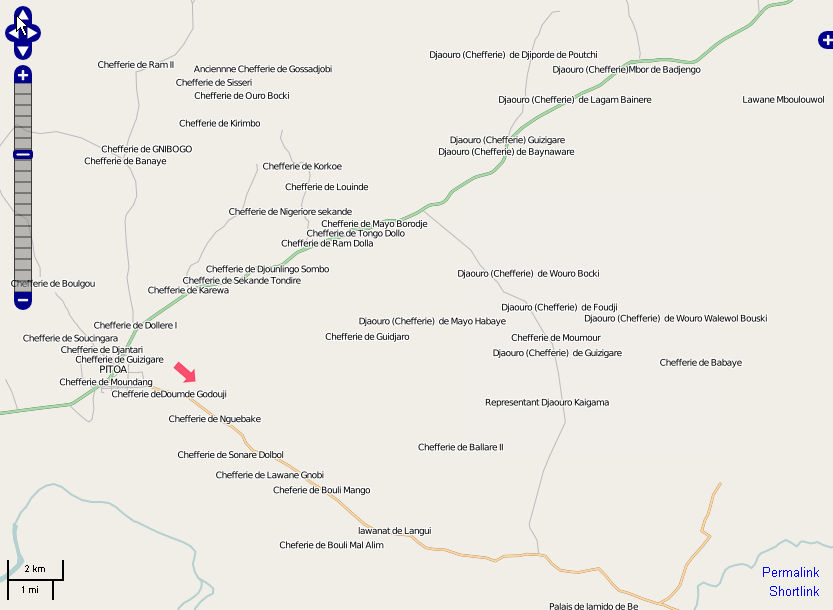
On the map: Ndop, Okola and Pitoa


As I mentioned in an earlier post, I spent last week at the 55th meeting of the Commission on the Status of Women. The organization where I work supported 12 girls from various countries to attend and speak at different panels and side events during the week.

Why is it important for girls’ voices to be heard at global events like the CSW? Why should they be allowed to sit at tables with adult decision makers? Is this a wise investment when we could have spent that money to bring an adult staff member instead? Well, from a strictly rights-based perspective, it’s because girls have a right to participate in decisions that impact on their own lives.

But there are so many other reasons that girls need to be present at these events. They bring perspective that is otherwise missing. Before women are women, they are girls. It’s well known and well documented that investing in girls’ education and other areas has impacts that go far beyond schooling. At these big meetings, issues that impact girls and women are being addressed and discussed – so there needs to be space for girls and women who feel these issues directly to speak for themselves, especially girls and women who are typically left out of these processes. Girls bring a reality check. They offer ideas and solutions from their own contexts. They bring points home that can otherwise be missed. They are often amazing speakers and have incredible wisdom and insight to share. We can all learn from them. And bringing girls and their opinions and voices to a huge event like the CSW can really have a positive impact both on the event, the event participants, the decisions made there, and on the girls themselves, as they return home with a mandate to live their leadership in their own communities and countries.

Early in the week, I shared a panel with Fabiola, one of the girl delegates from Cameroon, and she truly stole the show. Here’s how:

Fabiola participates in the Youth Empowerment through Technology, Arts and Media (YETAM) project, and was selected by her peers to represent her group and Cameroon at the CSW. More information about Fabiola and Shira, the other girl delegate from Cameroon are in this post: Girls in rural Cameroon talk about ICTs. Shira also spoke at high level panels, as did the girls from Sierra Leone, Indonesia and Finland.

The girls also planned and managed their own side event where they talked about girls and new communications technologies.  In preparation for the event, they brought with them videos from their home countries, and Kirby, one of the girls from the US, edited them together into one piece. The video was shared at a few different events, and the girls were even asked to show it at the general assembly (at the last minute they weren’t allowed to for one reason or another). In any case, you can see it here:

On the last day that the girls were in New York, 3 of them sat on a panel in front of hundreds of high level decision-makers: UN officials, Ministers and government representatives. They talked about the challenges girls face in terms of accessing ICTs and raised the issue of violence against girls and how violence in schools impacts heavily on girls’ education.

My Cameroonian colleague, Judith, who works on the YETAM project with the girls, told me afterwards that she felt unbearably proud, seeing them there in front of the whole room, with everybody hanging on their every word. “I was floating,” she said. “As if my feet were not even touching the ground.” She was proud that Shira didn’t only present the issues that girls are facing in accessing ICTs or in terms of violence or early marriage, but Shira went further and talked about what they are doing in the community and how they are working with ICTs and conducting advocacy with decision makers and traditional councils to resolve the issues, and what impacts they have already had.

Josephine, one of the girls from Sierra Leone, said afterwards: “When I was there, speaking, I felt like I was on top of the world because people were listening to my voice.”

There needs to be more of this!

But if you are still not convinced, my fabulous colleague Keshet Bachan, coordinator of this year’s Because I am a Girl Report and the previous 3 reports, gives a convincing overview here about why girls and why now. Worth watching.

The 55th Session of the Commission on the Status of Women is taking place this week in New York City, with the core theme of: “Access and participation of women and girls to education, training, science and technology, including for the promotion of women’s equal access to full employment and decent work.”

Some of the girls that we’re working with in our programs are participating, including Fabiola and Shira from Cameroon. I met them both last July when we worked together on the Youth Empowerment through Technology, Arts and Media (YETAM) project. The YETAM coordinator in Cameroon, Judith Nkie, is also attending the CSW as the girls’ chaperone. She certainly also has a lot to contribute on girls, women and ICTs. Judith once said to me “This project is a catalyst in my body.” Judith is awesome.

Girls from the YETAM project worked to prepare the interviews, film and videos below. Each girl interviews another girl from the community about the role of ICTs in their lives. The videos are worth watching as the questions and the responses of the girls are very insightful.

The interviewee in the first video says ICTs help you find out what is happening around the world. She comments that she found out about what just happened in Egypt (the February revolution) because of ICTs. Some of the other things I found most interesting in the videos are:

  • The girls’ recognition of the importance of information for making good decisions
  • The technologies that girls have most access to (mobile phone!)
  • The first time the girls encountered a mobile phone (a few years ago, at a local call box for one, and via an uncle who brought one back from travels for the other)
  • Why it is hard for girls to use ICTs in the community (lack of ICT devices, cost, parents don’t allow girls to learn about ICTs, at school the computers are few – you will see at least 20 persons per computer – and half are broken, the boys are very powerful and they fight us to occupy the computers, girls’ illiteracy, girls don’t continue in school)
  • How often the girls use ICTs (mobiles are used every day, there is only one place to access Internet in the community)
  • What they like most about ICTs (ICTs help me to know what is happening in other countries, I came to know about what happened 2 days ago in Egypt via communication technologies, many youth have been able to be employed through their mobile phones)
  • What they like the least about mobile phones and Internet (scamming, its easy to tell lies by mobile)
  • How can ICTs be helpful to girls (in my community a girl was able to borrow a phone from a friend to report that she was to be married at the age of 12, and the marriage was stopped)
  • Can ICTs be used to hurt girls? (yes, the girls who can afford their own mobile phones are those who are wealthy, when the poor girls see the wealthy girls with their phones, they go into competition, they can go into prostitution to have money to get a phone; but on the other side, girls are also self-employed through the phones, so the mobile phone hurts but it also helps girls)
  • How the communities use the Internet to sell their products (most people in the community use ICTs to communicate to find buyers for their products)
  • What girls would like parents, community leaders and government to do regarding ICTs (improve our access to ICTs, bring in programs and projects that can support youths to use ICTs and learn to use them better, educate parents to help them to see that girls also should be allowed to access this type of training and technology)
  • What hurts most about this ICT thing (when those who are really privileged and who can use the Internet don’t put their talents and privileges to good use, they go there to scam, to do robbery, not to do good; if these youth have the time and this privilege they should not do harm but they should do good.)
Kirby, one of the girls from the US, edited together portions of the videos above with video footage from the rest of the girls in the group, and they used the video to kick off their ‘Girl Led Side Event’ today. The turnout was great. They will continue throughout the rest of the week getting their ideas and messages across in different events and panels. You can follow their thoughts and impressions on the Plan Youth Tumblr or by following @plan_youth on Twitter. My colleague @KeshetBachan is also blogging from the CSW at the Girls Report blog.

the giant and unsinkable ship....

It seems like so long ago that the aid and development blogosphere was up in arms about Jason Sadler’s One Million Shirts initiative. Unfortunately the 60-year-old aid and development giant, World Vision USA, is engaged in a similar effort – the donation of 100,000 NFL t-shirts to 4 countries. This is something World Vision USA has been doing for the past 15 years, even though the benefits of this type of program are very questionable in terms of whether they actually contribute effectively to World Vision’s overall vision and mission. Several aid workers have called them out on this; you can see the list of posts here. Talesfromthehood has given some recommendations on what would need to happen to move things forward and stop this kind of ‘bad aid.’

A day or so after the peak of the 1 million shirts outrage last May, I wrote the post below, titled “The elephant in the room“. Most of it is still valid, so I’m re-posting it. Maybe next year, around this time, I could post something that indicates that NGOs and the aid and development community in general are moving forward on some of these items.

Though there are some pretty interesting things happening in the aid and development world (for example, the “Smart Aid” initiative) and some circles that are focusing on aid transparency and related aid practice improvements (some of the folks leading these efforts are listed in the post below), it still feels like we are in much the same place we were last year. Shifting the course of the giant aid machine is very slow work.

The elephant in the room, from May 2, 2010

One of the best things about the Great Tshirt Debate has been the variety of voices and perspectives that are weighing in.  This one potentially misguided project was able to catalyze a huge discussion on the nature of ‘aid’.  Once again the power of social media to engage people in debate and dialogue was demonstrated.

There are a lot of angles to follow up on from last week’s blow up. There’s a lot to unpack and it goes much deeper than a conversation about t-shirts.  One thread I find particularly interesting is the use of social media and ICTs (information and communication technologies) for bringing greater accountability and generating input and dialogue around ideas for aid and development.

Christopher FabianOwen Barder and @Morealtitude wrote about this specifically in relation to the Tshirt Debate; and Duncan GreeneOwen BarderAidwatch,  Tim Ogden, and others in a broader debate about accountability, aid and development. Certainly there are many posts and discussions out there on this topic.

Some things that stand out for me in the aftermath of the tshirt discussion:

Broadening perspectives.

It’s easy to forget that we all mean something different when we use the terms ‘aid’ and ‘development.’ There is a big difference between emergency aid and longer-term development.  And there are countless theories and approaches and understandings of both of those terms  (Alanna Shaikh and Talesfromthehood have both written on that).  This was really apparent throughout the discussion last week and in the on-going commentary.

I’m still trying to sort out in my own mind the difference between the various aid and development theories, the perspectives of the ‘aid bloggers’ that I follow, and the frameworks of other people who were involved in the Tshirt Debate. People’s views are intimately linked with cultural, political, economic and religious worldviews, and varying levels of snark (which I have to say can be very intimidating) making it even more interesting.  Before Twitter and the blogosphere, I certainly didn’t have daily exposure and access to such an array of thoughts.  Score one for social media.

The elephant in the room.

All this access to all these perspectives and on-line debate and open participation is great for me. And for you. Because we read English and have access to the internet.

But there is a really big elephant in the room.  One that was lurking on the global conference call hosted by Mobile Active on April 30 and that is still standing around quietly as the discussions continue.  I’m talking about the voices and perspectives of the people that the 1millionshirts project was aimed at helping.

I would bet money that some of those voices would have said “I want a tshirt.”

There are a lot of possible outcomes when ‘beneficiaries’ and ‘donors’ actually talk to each other.  Like donors wanting to give t-shirts and people wanting to receive them.  Then what?  Most of those involved in aid and development and work with local economies can and have listed a myriad of reasons why handouts are not a good idea, but most also believe in listening to voices of ‘beneficiaries.’   It seems paternalistic to say that NGOs or businesspeople know best what people need.  What will happen when more donors and beneficiaries are using social media to talk to one another?  And what if NGOs or governments or business people trying to improve ‘developing country’ economies don’t agree?  Then what?  That’s going to be pretty interesting. For a taste of this can of worms, read this post and related comments.

Development education.

This brings me to thinking about the educational processes that contribute to good development results.  Around the world, people have been presented with hand-out and silver bullet ideas around development and aid for a long time. Donors need to be educated about effective aid and development, but communities do also.  People have been trained to gravitate towards one-off donations and charity mentalities, and need to learn why that isn’t actually very helpful in the long term. They’ve been taught that there is a silver bullet we just need to find. People have also been trained to take hand outs and see themselves as victims and need to re-learn how to take the reins and do for themselves.  This is true everywhere – people look for the easy way out. Consider how many people in the US for example prefer to get plastic surgery or take miracle diet pills and medications over adopting healthier lifestyles involving a good diet and exercise.  Complicated situations require integrated approaches and often need cultural shifts and behavior changes.  Those take time and effort and are hard to explain.  How does social media impact on or shift this in terms of aid and development, and in which direction is it shifting?

Barriers to social media participation.

Both #1millionshirts and Kiva were held up to a huge amount of scrutiny online via social media.  But again, who was scrutinizing, and who had access to the tools and means to participate in these widespread discussions?  It was not the people getting loans from Kiva or the eventual t-shirt wearers.  It was donors and ‘experts’.  I would hope that there are plenty of discussions happening about Kiva programs at local levels, in person, in meetings and in local media or newspapers. But these don’t normally make their way to the internet.

I don’t know Kiva’s programs well, but I would also hope that Kiva staff and/or partners, for example, are listening to that local input and using it to improve their programs on the ground to make them more useful to participants.  And I would hope that those discussions take place within a longer term education, training and relationship building process as with many NGOs.  This kind of input from and dialogue with program participants is every bit as important for adapting and improving programs and initiatives, and maybe more important, than all the public discussions on the internet…. as long as it’s being listened to and responded to, and as long as local offices are taking these messages up the chain within the organization, and as long as local offices also are being listened to and carry weight within the organization. What might be the role of social media there to move those offline discussions further within organizations and to educate, inform and engage the broader public and ensure that responses and changes are forthcoming and everyone learns from it?

There are still huge barriers to social media participation for many people in communities all over the world… not having electricity, computers, smart phones and internet, to start with. There are also barriers like language, literacy, age and gender based discrimination, hierarchies and cultural norms that limit participation in general by particular groups in discussions and decision making.  When working face-to-face, good organizations are in tune with the barriers and find ways to gather input from those typically left out of the discussion.  How can organizations use what they know about engaging more marginalized populations and apply it to a more creative use of social media to ensure that all voices are heard?  What resources and ICT tools would be needed to do that effectively?

Offline to Online to Offline

And how could more of the discussions that happen on the ground with communities, when programs are being designed, implemented, evaluated and re-designed; be shared in the open by those who are involved – whether participants, local bloggers, citizen journalists, NGO workers or others?  And how can the debates happening online make their way back to communities that are not connected? It would be amazing if more program staff and community workers were blogging and sharing their work and their challenges and accomplishments.  And if more organizational decision makers were listening to what their community workers or other staff who are blogging and tweeting are saying. And if more people participating in programs could share their viewpoints via the internet.  This would be useful to the global commons and would also help the fields of aid and development to improve.

How can we support more communities to have access to social media and ICTs as tools to participate more broadly? And how can community members be the owners and drivers of this discussion and input. How can we help bring voices from the grassroots to a broader public and also bring these broader public debates back to communities.  How can the access, language, literacy and cultural barriers be addressed?  There are some programs out there doing this, for example Global Voices RisingMIT’s Department of Play at the Center for Future Civic Media, and the Manenoplatform, but we really need more of it.

Youth.

I think as connectivity becomes less of a challenge, we will see the younger generation claiming spaces in this way. More organizations should be working to engage more young people in the development process and supporting them to access ICTs and social media.  When a consultation with children and youth was done after the Haiti earthquakes, for example, young people did not say that they wanted hand outs.  They said that they wanted to participate. They wanted to play a stronger role in the recovery and the reconstruction.  They said they wanted education, a voice in how things were to be done, decentralization.

Staff that I’ve worked with on youth and ICT programs in several countries have said that ICTs and community media are excellent tools for engaging youth in the development process and maintaining their interest, for supporting youth-led research and collecting opinions about community processes.  With advances in technology, these voices can reach a much broader and public audience and can be pulled into donor communications as well as used as input in the resource and problem analysis, program design,  program monitoring and evaluation processes.  Youth can access information previously unavailable to them which broadens their own views and helps in their education processes. They can also contribute information and images of themselves and their communities to the online pool of resources so that they are portraying themselves to the world in their own image as opposed to being shown by and through the eyes of outsiders.

In addition to the Tshirt Debate stirring up questions about good donorship, I really hope it stirs up the debate about the value of more local ‘beneficiary’ voices in aid and development discussions, and that it fuels more efforts to use, adapt, and develop social media tools and ICTs to support these voices to join the debate.

What about you?  What do you think?

Related posts on Wait… What?

Children and young people’s vision for a new Haiti

It’s not a black and white photo

Meeting in the Middle

Mind the gap

Putting Cumbana on the map: with ethics

The 55th Commission on the Status of Women (CSW) happens in New York City Feb 21-25, 2011. For me, the most exciting thing about the event is that several girls from some of the countries where we are working (Canada, US, Finland, Cameroon, Sierra Leone and Indonesia) will be participating and speaking. This aspect of our work – helping to bring young people’s voices into these large influential forums – (when done properly) can be very effective at bringing a reality check to the ivory tower and helping influence decision makers at the very highest levels.

This year’s CSW is especially interesting to me since I work in the area of ICTs, and the theme of the CSW is:

“Access and participation of women and girls to education, training, science and technology, including for the promotion of women’s equal access to full employment and decent work.”

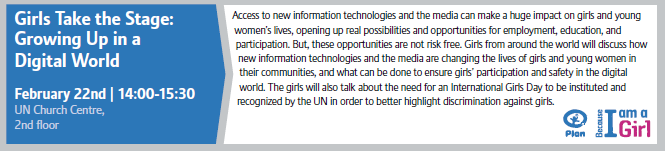
The girls will be presenting at the Girls Take the Stage: Growing up in a Digital World on Feb 22nd:

I’ll be presenting with Fabiola from Cameroon at the Empowering Girls: Education and Technology” session on February 23.

I’ll also talk at a panel-workshop hosted by the Buddhist Tzu Chi Foundation on Tuesday Feb 22, from 10-11.30, called “Breaking the Cycle of Poverty of Women and Girls through Education and Training,” on the 2nd floor room of the CCUN (Church Center of the UN).

Update: Ika one of the girls from Indonesia, will speak at a panel on Commercial Sexual Exploitation and the Girl Child: A Human Rights Approach at the Main Auditorium, Salvation Army Social Justice Center, 221 East 52nd St between 2nd and 3rd Ave, on Feb 24th from 2-3.30 pm.

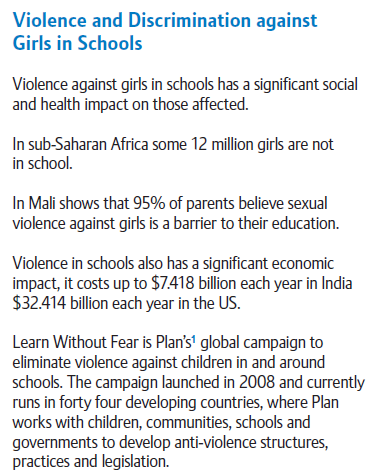
Update: Lil Shira from Cameroon will present on Violence and Discrimination against Girls in School, along with Marta Santos Pais (UN Special Representative to the Secretary General on Violence against Children) and others on Feb 22, from 16-17.30 at UN Church Center, 777 United Nations Plaza, Drew Room, Ground Floor.

Join us at the some of the sessions or come for an evening with the 21+ crowd at #ICT4Drinks Feb 23rd at 6 pm at Me Bar.

We’re trying to interest the girls in tweeting during the CSW on the @plan_youth account and to blog at  http://plan_youth.tumblr.com, so check it out as of this Monday. (We’ll see if they are willing or not!)

You can follow the events on Twitter at the hashtag #CSW55.

Forget that show “Off the Map.”  Real live on the map is way more interesting.

Last July via the Youth Empowerment through Arts and Media project, we did some GPS and Open Street Map (OSM) training with Ernest Kunbega in Bamenda, Cameroon. I left for Kenya to attend a similar training with Map Kibera, and Ernest continued working with staff, local partners and youth in Ndop, Okola and Pitoa over the next several months to make maps of the 3 areas where the project is being implemented.

I got an email this week from Ernest and I was thrilled to hear that maps of the 3 areas have been completed. They did a fab job, too. Check these out.

This is what you used to find when you looked for Ndop on Open Street Map, and what you will still find on Google Maps (eg., not much):

and this is what you’ll find now if you look for Ndop on Open Street Map (close up):

This is what Okola looked like before on OSM, and what you will currently find on Google maps:

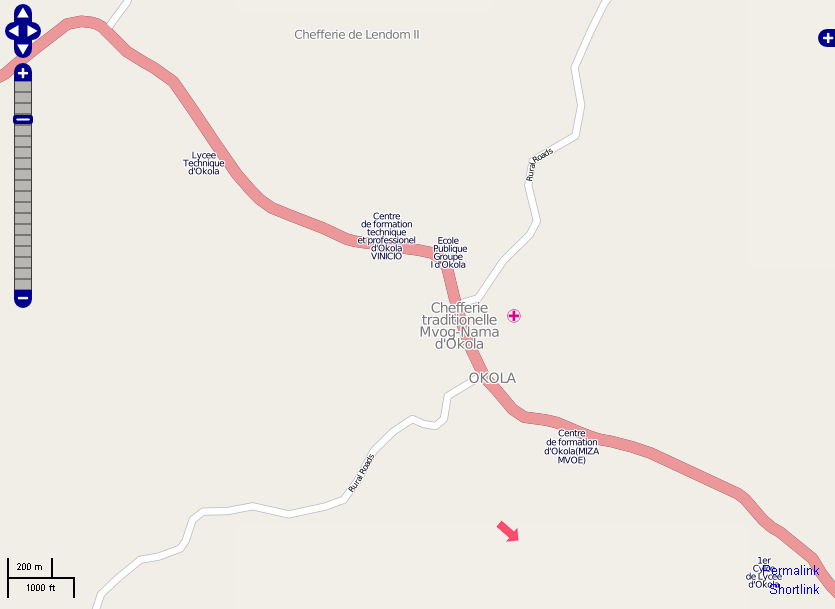
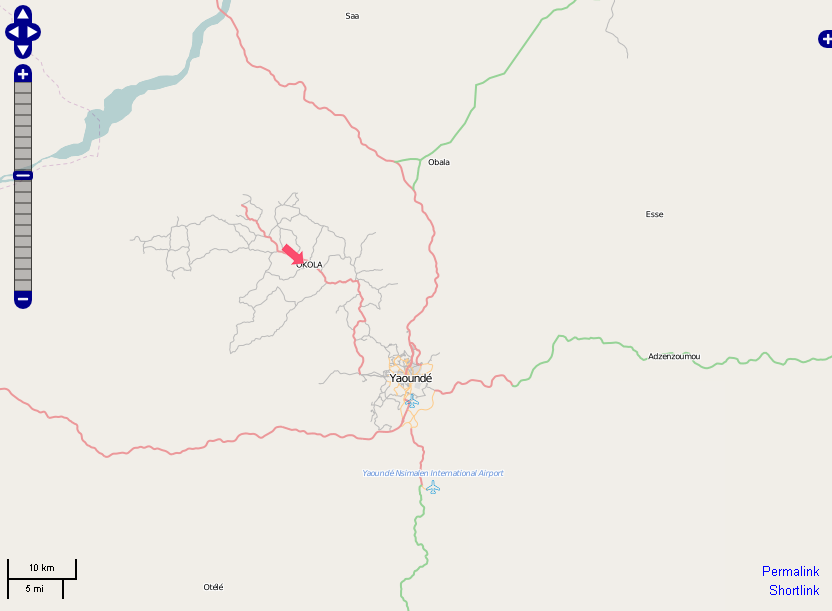
And what Okola looks like now on OSM (close up):

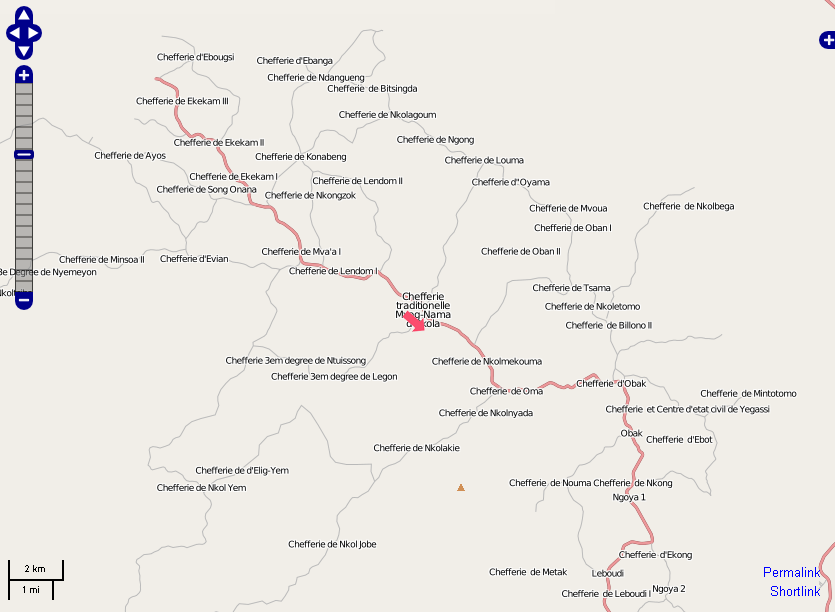
But in addition, they mapped out the chefferies in the larger Okola area:

And I’m pretty sure this is the youth’s work because nothing else around is mapped in this level of detail:

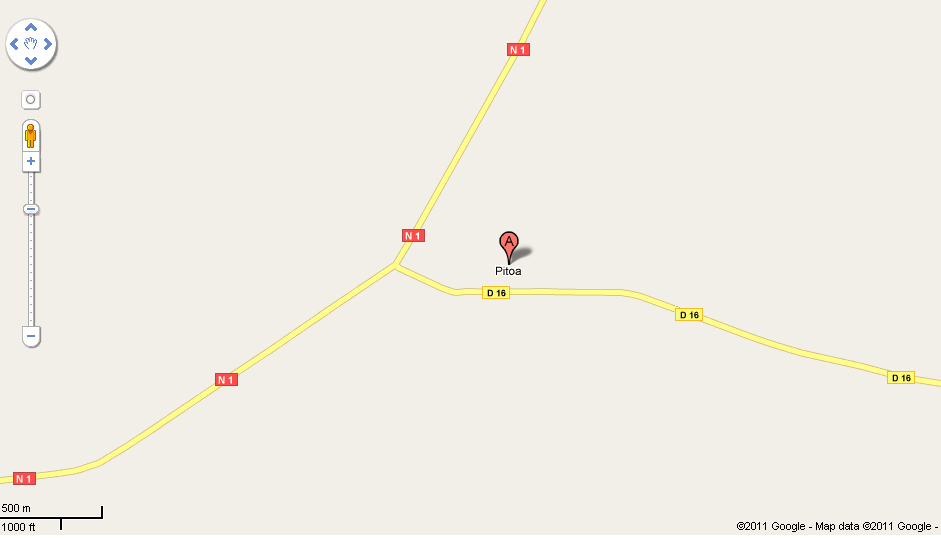
And lastly we have Pitoa as it is on Google/was on OSM:

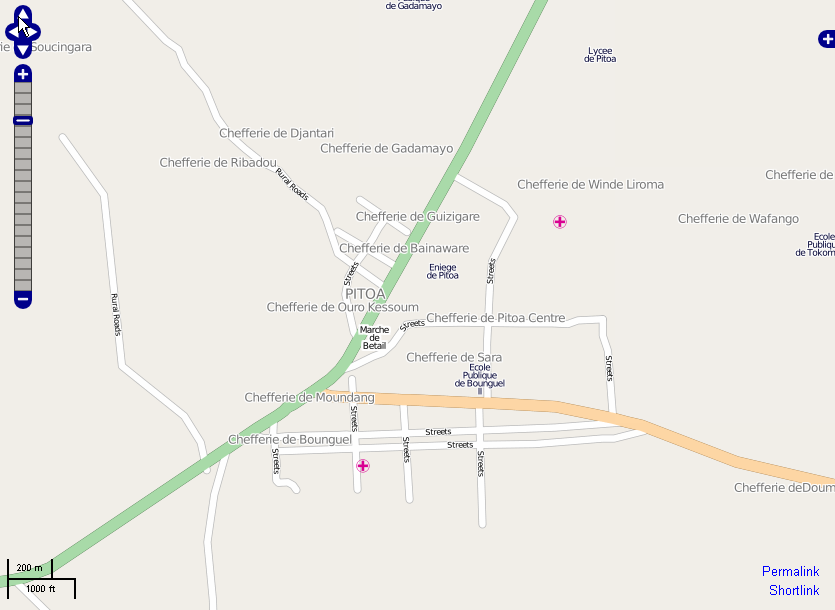
And Pitoa after Ernest and the youth mapped it on OSM (close up):

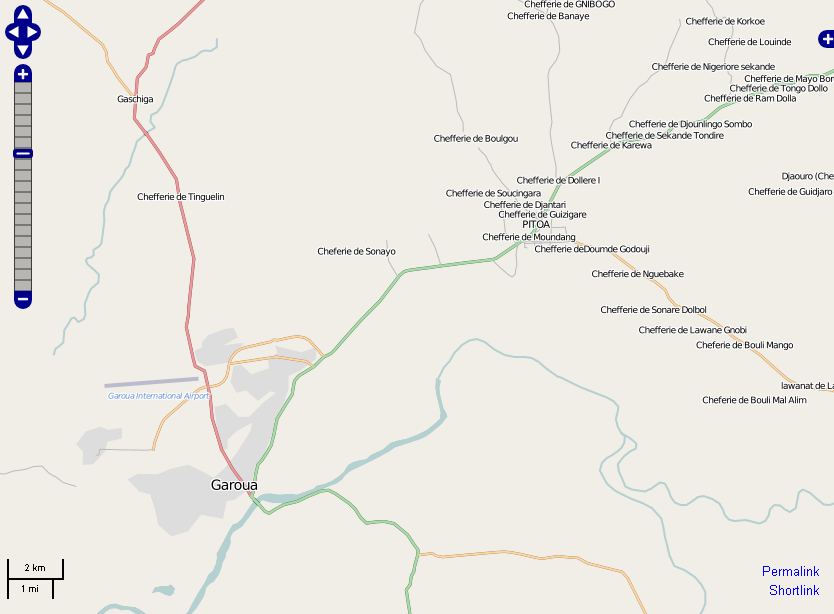
And the chefferies in the whole area of Pitoa:

And Pitoa (on the right) compared to Garoua (lower left):

For more background on the training in Cameroon, check out this post: A catalyst for positive change.

In the past couple years, social media combined with traditional media has allowed people all over the world to feel they are supporting and participating in very visible revolutions (think Iran, Tunisia, Egypt). There is also a slow and steady revolution happening as more and more communities around the world access the tools to tell their own stories in their own words from their own perspectives.

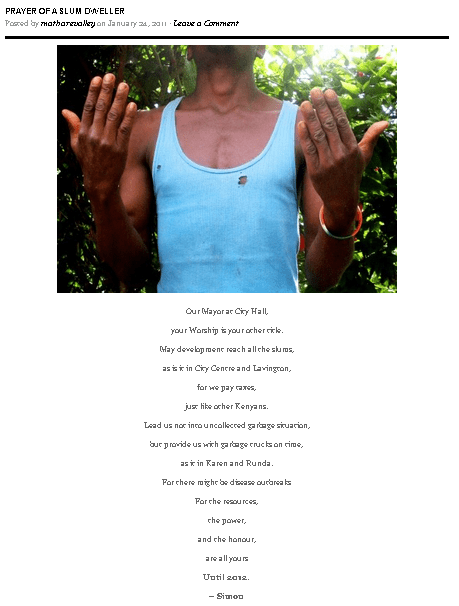
I came across the Mathare Valley blog this weekend. It’s beautiful, artful and powerful.

Prayer of a slum dweller from the Mathare Valley blog

According to the ‘about’ page, the authors of the blog:  Simon Kokoyo, Ivyonne Tiany and Jeff Mohamed, grew up in or around Mathare. They are now involved in community programs there, including the Map Mathare Initiative.

Jamie Lundine, who works at MapKibera and who’s supporting some community mapping in Mathare, wrote an excellent post about integrating participatory community development work and digital mapping in Mathare, showing how development and tech folks can combine their expertise and work together with communities to strengthen local development processes.

In my last post, I wrote about how communications (and ICTs) should be ‘built in, not bolted on‘ to development initiatives. The Mathare Initiative looks like a good example of that, with community members taking a strong lead.

I was in a global strategy meeting at the organization where I work last week. We had people from various disciplines present from across the organization and the goal was to chart a path to 2015 and beyond.

For the first couple days it seemed like a lot of talk and a lot more talk. We had very bright, very capable people representing different aspects of our work in the room. This can make things quite messy and tiring, and it can feel like everyone is talking in circles because there are so many perspectives and angles and factors that need to be considered in finding shared ground. Sometimes we are so participatory and complicated that we get in our own way. But by the 3rd and final day the perspectives had come together into a much clearer view of where the organization is headed, and we had the beginnings of a shared plan for how to get there.

We worked in a few main groups, and I participated in the Communications group. Much of our discussion centered around integrating better communication in all aspects of our work rather than seeing the role of Communications (and the Comms Team) as designing one-way messages out to the public. One colleague described this as ensuring ‘built in’ rather than ‘bolted on’ communications.

For me the discussions and end decisions were great, because there was a shared push in the group to move the organization towards things that I think are very important.

Some of the aspects we talked about included:

Communicating within programs

  • the critical role of Communications within programs – eg., Communications shouldn’t only happen at the end of a program (press releases, events or media work to share what was done); rather communication is a critical tool within programs to help reach program and development goals at various levels
  • the role of information and communications tools (new and old ones, high and low tech) at the community level to improve impact, efficiency, reach, engagement, decision-making, transparency and accountability
  • the need to strengthen our ability to better integrate information and communication tools into program efforts, measure the impact of different tools and efforts, and share experiences around this
Communicating with ‘the public’ (our ‘stakeholders’)
  • ensuring consistency in what we do and how we talk about what we do
  • space for children and young people to tell their own stories both behind the camera and in front of the camera, as producers of media not as objects of or consumers of media
  • reaching people through the ‘heart’ (which we are quite good at) as well as the ‘head’ (which we need to get better at)
  • communicating evidence of impact as well as anecdotal and personal stories
  • using different information and communication tools to communicate at varying levels of complexity and technicality to different ‘audiences’
  • using various kinds of media to tell a deeper and more complex story than is currently told
  • finding the sweet spot between a) talking to ourselves in boring technical language and b) over-simplifying or ‘dumbing down’ the complexity of people’s lives and the work that we’re involved in
  • having a strong and unified global goal so that each team or office can move towards that shared goal, but allowing the flexibility to take the path that makes the most sense locally
  • good communication at every level — community, district, national, global, ‘North’ and ‘South’, internal and external, networked — to involve people (including ‘beneficiaries’, ‘supporters’, ‘advocates’ and any other ‘stakeholder’) in community development work and in achieving child rights
  • opening the channels and lessening hierarchical controls on communications so that staff can feel more confident about communicating and using social media both internally and externally
  • using a combination of communication channels to reach our goals; eg., community radio enhanced by SMS; television programs enhanced by use of web and vice versa
  • new communications technology to facilitate connections among the network of people we reach (the ‘participants’ and the ‘supporters’ and all those in between)
Communicating for decision-making and accountability
  • the role of communications in knowledge sharing and knowledge management, internally and externally
  • creating better feedback and accountability loops to enable communities and the children and youth that we work with to have more of a say about the work we are doing and how we talk about it
  • using new technology to better organize, share and use the information that we already have, both internally and externally
  • using info-graphics to visualize information so that we can make better decisions about programs and to be more accountable to the public and to program participants
Even more important than ‘talking about’ the topics above, we worked on plans to actually do them…!
Note: this is not an official meeting report but rather my own take-aways from the workshop.

This is a summary of the January 20th Technology Salon. It’s cross-posted from the Technology Salon blog.

Using GPS in Kwale, Kenya

At the Technology Salon on “How to Incorporate ICT into Proposals”, we discussed some of the challenges and solutions for proposal writers when they try to incorporate information and communication technologies into future program design. (Sign up to get info on the next Salon)

Problems with Incorporating ICT into Proposals

Essentially, short time frames for preparing proposals don’t allow for participation and end-user involvement and feedback during development of technology solutions. Donors often want details about a technological solution within a proposal; however, in order to define details, more knowledge of local context, a participatory local communications assessment, end-user testing and more need to be done.

This causes proposal writers to sometimes put unrealistic goals in proposals in order to secure funding or because they don’t have information about the local context and actual feasibility of a proposed technology solution; implementors may find later that they are unable to deliver

The issue is compounded by the real lack of organizational buy-in to allow for testing and iterating, for trial and error, and even failure, in organizations and within projects to learn what works and what can be scaled up through proposals and donor funding.

Solutions to Including ICT in Proposals

Overall, organizations that want to integrate ICTs in their work need to plan ahead, strengthen their staff capacity on the ground, and have a clear understanding of the steps to follow when integrating ICTs into proposals. And rather than detailing an exact tech solution into a proposal, the proposal writer could offer a few options, say that “a solution could be” or “might look something like this”, or be clear when negotiating with the donor that an idea will be tested but may change along the way when participatory work is conducted with end users, and as it is tested and adapted to the local context.

This can help remind donors that digital technology is only one way to innovate, and technology needs to be seen as one tool in the information and communication toolbox. For example, SMS might be just one communication channel among many options that are laid out in a project or program, and the most appropriate channels (which might also include face-to-face, paper, community bulletin board, phone calls, etc.) need to be chosen based on a local situation analysis and end-user input.

For staff, integrating ICTs as smaller aspects in programs can offer opportunities for small trial and error and learning; eg., using SMS as one channel of communication in an education or health program and comparing results with a program that didn’t use SMS could allow an organization to test small ICT efforts and slowly learn, modify and integrate those that work. (See How Plan Kwale has been using ICT in their programs since 2003)

When staff experiment with and experience ICTs in one program, they may be more likely to innovate with technology in another program. As ICTs become more commonly used in communities and by local development practitioners, space for innovations grows because innovation can happen right there, closer to the ground rather than being designed in an office in DC and parachuted into communities in other places.

Experimentation with youth programs is a good place to start with tech innovations because youth tend to be more literate (if they are school going youth) and they pick up technology skills easily in many cases. Adults need not be left out, but the learning methodology may need to be different. Engaging the community in detailing potential protection and privacy risks in data collection is key to finding ways to minimize risks. (See 8 Elements for a Positively Brilliant ICT4D Workshop)

The Plan Example

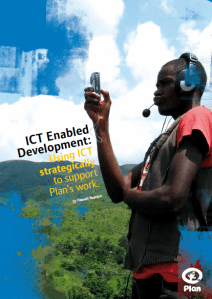
Plan Finland with support from Plan USA commissioned the ICT Enabled Development guide (PDF) to better understand and document the ICT4D context in several of the countries where Plan is working in Africa. Country offices wanted to strengthen their capacities to strategically incorporate ICTs into their work and to ensure that any fund-raising efforts for ICTs were stemming from real needs and interest from the ground. Plan offices were also in the process of updating their long-term strategic plans and wanted to think through how and where they could incorporate ICTs in their work internally and with communities.

The report process included 2-day workshops with staff in 5 countries, based on a set of ICT distance learning materials and discussion questions. The idea was to combine background and situational research, learning about ICT4D, and further input from Country Office colleagues into this process to come up with a realistic guide on how and where Plan could begin integrating ICTs into its work directly, strategically and indirectly (See 3 ways to integrate ICTs into development work).

The report team worked by Skype and email with a point person in each office who planned and carried out the workshop. The report team also developed the multi-media training pack with materials that the point persons used to support the workshop, and compiled the ICT-Enabled Development guide based on the experience.

From the report and this experience, Plan produced a 10-step process for integrating ICTs into development initiatives:

  1. Context Analysis: what is happening with ICT (for development) in the country or region?
  2. Defining the need: what problems can ICT help overcome? what opportunities can it create?
  3. Choosing a strategy: what kind of ICT4D is needed? direct? internal? strategic?
  4. Undertaking a participatory communications assessment: who will benefit from this use of ICT and how?
  5. Choosing the technology: what ICTs/applications are available to meet this need or goal?
  6. Adjusting the content: can people understand and use the information provided for and by the ICTs?
  7. Building and using capacity: what kind of support will people need to use and benefit from the ICT, and to innovate around it?
  8. Monitoring progress: how do you know if the ICT is helping meet the development goal or need?
  9. Keeping it going: how can you manage risks and keep up with changes?
  10. Learning from each other: what has been done before, and what have you learned that others could use

See the 3-page “ICT-Enabled Development Checklist” for more detail on how to go about integrating ICTs into a development proposal and be sure to download the ICT Enabled Development guide (PDF).