Feeds:
Posts
Comments

Archive for the ‘Kenya’ Category

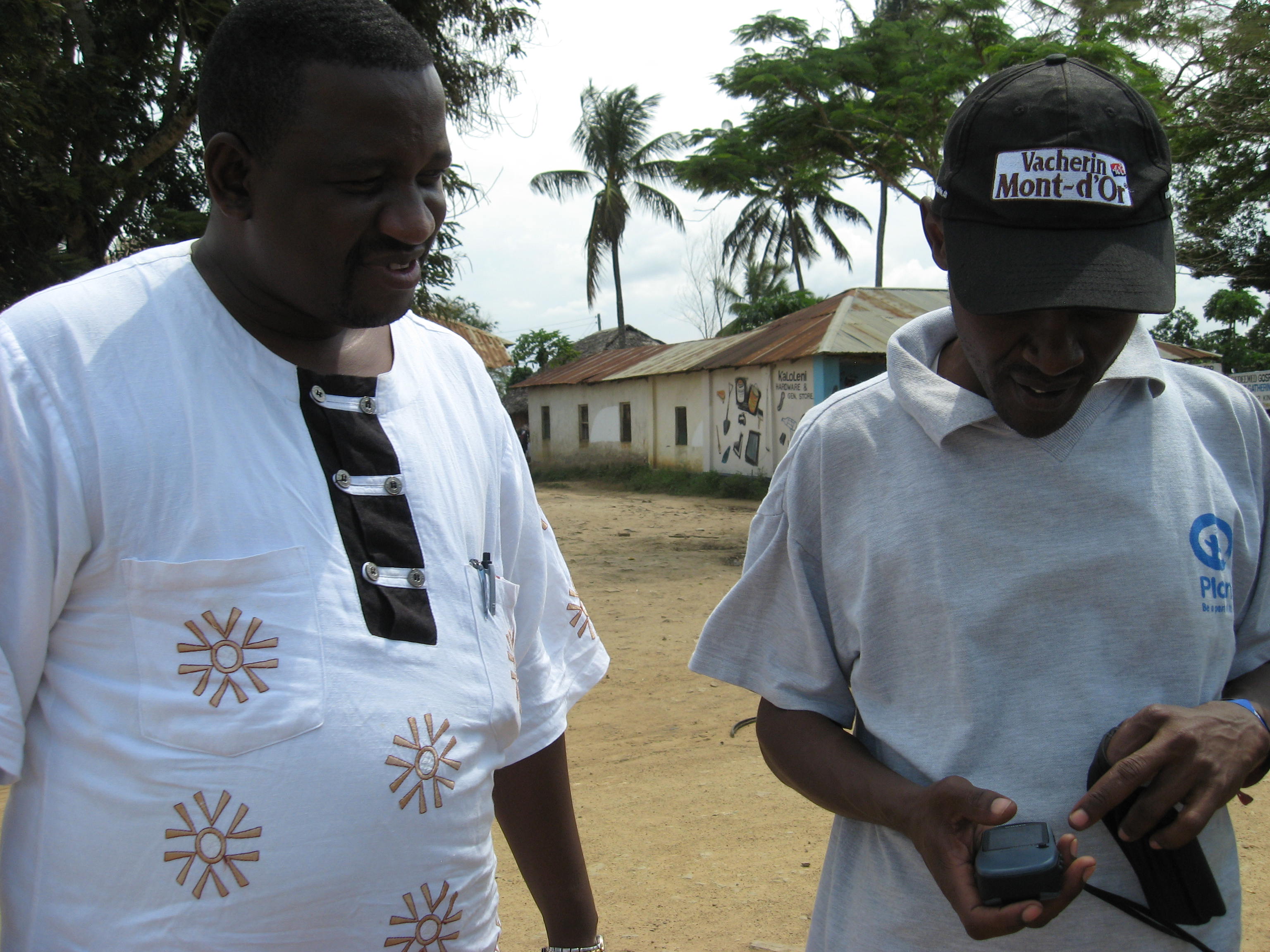
Salim (left) with Solomon in Kinango community.

As I mentioned in my previous post, Plan’s Kwale District office in Kenya has been a role model for Plan on how to integrate ICTs into community-led programming to help reach development goals and improve access to children’s rights.

I talked with Salim Mvurya, the Area Manager in Kwale, last week and asked him for advice for the tech community (0.15), corporations (1.19) and development organizations (1.57) who want to build in ICTs for moving towards development goals. He also comments on the importance of realizing that development is changing (4.43). You can watch the video below or at this link. If you’re not patient enough to watch a 6 min video (often I’m not!) or don’t have a strong connection, see the transcript below.

You can also view Part 1 of the video, where Salim gives some background on how Plan Kwale has been using ICTs in their programs since 2003 (1.11), shares ideas about the potential of new ICTs (3.42) and talks about some key lessons learned (5.03). Or you can read the Part 1 transcript here.

Transcript Part 2

ICTs and Development Part 2: advice for tech community, corporations and development organizations

My name is Salim Mvurya, I’m the Area Manager for Plan in the Kwale Development Area.

What advice can you give to outside tech people who want to develop something for a place like Kenya?

I think that to get an idea externally is a good thing, but that idea has to be blended with grassroots. It has to be contextualized, because there are very many good ideas which may not be appropriate at the community level. So I think my advice, for people who have ideas, who have never been to Kenya or Africa or in the field, is to leave the process to be home grown, so that the ideas that are coming from outside are building on existing issues, so that the ideas are also looking at what kind of skills and what can be done on the ground, and looking also at issues of sustainability. So it’s very important for somebody from outside the country to be sensitive to local conditions, local context, local skills and also looking at putting ideas that can be self-sustaining.

What is your advice for corporations who want to support the use of ICTs in development?

Corporate organizations who are interested in making a contribution to ICT for development, I think it is important that they foster and have partnerships with grassroots organizations that can really give them the issues because, OK, most corporations are very innovative, but working with grassroots NGOs and civil society that can give them the practical sense of those ideas, I think would be a good thing to do.

What is your advice for colleagues trying to successfully integrate ICTs into their programs?

One thing for organizations that are thinking of utilizing ICT is that you need local capacity. Like, if you have a field office, for example, Plan has development areas, in development areas, particularly for Plan, the ICT technical people should also have an opportunity to lead the ICT for development. What I have seen in the few years that I have been trying this is that it requires also the ICT function to be more available to communities. It requires the ICT function to also work around the program issues that the team is thinking, so it’s not just about looking at systems, looking at computers, but looking at how can all these ICT skills be able to help to develop programs. How can the ICT function be able to support innovations that are also going to enhance problem solutions at the community level. How can we use ICT to strengthen our interventions in the community?

And I must say from experience, that the ICT coordinator for Kwale has been more of a ‘program’ person, and I think that is why we are seeing all these gains.  I remember when we were designing the community-led birth registration one afternoon, we sat together and we were thinking, how can we put all these ideas together and include ICTs in it, so I think it’s about having an ICT function that is responsive to the program issues on the ground and not necessarily sitting somewhere and looking at softwares. You know, even designing a software that would be more responsive to what is happening on the ground, like looking at issues of child protection and seeing how can ICT help the response mechanism. Looking at issues of accountability and seeing how ICT can make a contribution to accountability processes in community.  So I think that is the kind of ICT that would be appropriate in the field, but also an ICT function that can learn. You know, learning from other people, but bringing the lessons closer home to see what can work, and what can’t work.

Any last advice for development organizations around integration of ICTs?

The message that I would want to give to stakeholders and development organizations is that a lot is happening in the world in terms of ICT.  Also recognizing that development is changing… ICT is providing opportunities for greater advocacy and accountability, and I think getting the interest for looking at all this and trying to say ‘what does this mean for development’ I think is very very critical. The youth constituency is emerging as very critical and they have interest in ICT. I know in Kenya youth have been trying different things, different groups, but I think ICT is providing an opportunity for them to strengthen accountability but also to be able to get skills that they can use as individuals that can also make a contribution in economic development.

Related posts on Wait… What?

Salim’s ICT4D advice part 1: consider both process and passion

Youth mappers: from Kibera to Kinango

A positively brilliant ICT4D workshop in Kwale, Kenya

Is this map better than that map?

Modernizing birth registration with mobile technology

Read Full Post »

Salim Mvurya, Plan Kwale's District Area Manager

Plan’s Kwale District office in Kenya has been very successful in building innovative community-led programming that incorporates new ICTs.  I had the opportunity to interview Salim Mvurya, the Area Manager, last week, and was really struck by his insights on how to effectively incorporate ICTs into community-led processes to reach development goals and improve on child rights, child protection and governance.

In this video, Salim gives some background on how Plan Kwale has been using ICTs in their programs since 2003 (1:11). He shares ideas about the potential of new ICTs (3.42) and some key lessons learned since 2003 (5.03).

Watch the video to get the advice straight from Salim. Or if your internet connection is slow or you’re like me and you like to skim through an article rather sit still and watch a video, the transcript is below.

In a second video, Salim gives really astute advice to the tech community (0.15), corporations (1.19), and development organizations (1.57) on how to successfully integrate ICTs to enable good development processes. He also mentions the importance of moving with the times (4.43). Read the transcript here.

Transcript for Part 1:

ICTs and development Part 1: ICT tools for child rights, child protection and social accountability

My name is Salim Mvurya, I’m the Area Manager for Plan in the Kwale District. My core responsibility as an area manager is to provide leadersip to the Kwale team in both program issues and also operational issues within the organization. This week we have been here in a workshop where we’ve been focusing mostly on issues of ICT for development and particularly what we’ve been learning here is the issue of mapping. We’ve also learned Ushahidi. We’ve also learned from our colleagues in Kilifi on mGESA (a local application of mGEOS that Plan Kenya, Plan Finland, University of Nairobi and Pajat Mgmt are developing) and basically we have been looking at this workshop as providing opportunities for using ICTs for development, but more particularly for us in Kwale is the issue of child protection and youth governance.

How has Plan Kwale been using ICTs for issues of child rights, child protection and child participation?

ICT in Kwale has a bit of a long history and it’s because of the issues on child rights. Kwale has a number of issues. Child marriages, issues of violations of child rights through sexual exploitation, and child poverty. So the efforts to do media started in Kwale in 2003 when we rolled out our first video that was done by children at the time to profile some of the issues of child marriage. But more importantly in 2005, we began to think greatly how we can bring the voices of children to duty-bearers and at time we thought of having a children’s community radio.

Because of lack of experience, we were thinking maybe at the end of that year we could launch the radio station. But then it took longer than we envisioned because we needed to roll out a participatory process. Alongside the same time, we had ideas of community-led birth registration which was being done in one community based organization. But later we also thought about looking at how ICT can help us in moving that direction.

Then we also had this idea of inter-generational dialogue, where children and youth can sit with duty-bearers and discuss critical issues affecting them, so we began using youth and video there, children and video, and showing those videos in a community meeting where then people could discuss the issues.  Alongside the same time we were partnering with various media houses and also rolling out radio programs where people could listen and also foster some discussions on children.

So it’s been a long journey but I think what we are seeing is that we need now to consolidate the gains, the experiences and efforts so that we can have a more strategic approach to ICT for Development and this workshop basically provides us with an opportunity and a platform to think much more.

What potential do you see for some of the newer ICT tools for your work in Kwale?

I see great potential in some of the tools that have been learned here this week, more particularly to get information at the click of a button from the ground. We could use the tools to map out resources out in the community, to map zones where there are a lot of issues on child protection, areas where we have issues like low birth registration… There is great potential for the tools that we’ve learned here to assist us not only in planning for projects, but in issues of social accountability. For example if you map out the areas where we have projects for Constituency Development Fund you can easily see where we have projects that have been done well but where we also have projects where maybe communities will need to discuss much more with duty-bearers to be able to, you know, foster issues of social accountability.

What are your biggest challenges? What mistakes have you made?

One thing that we’ve been learning in the process… well, you know sometimes we have ideas that we think can work in the next week, like for example the children’s community radio when we were thinking about it we were thinking that it could take off in about 2 months. But what we learned is that there are processes to be involved. Communities have to be prepared well for sustainability. Children have to be trained, there needs to be capacity building. You have also to conform to government procedures and processes.

The same also with birth registration. We thought in 6 months we could send an SMS and get your birth notification, but what we have also learned is that it takes a process. It takes awhile. You have to get the government buy in.  You also have to work on software, where the government is having a critical input. Because, although it is a pilot, we also think that if it works well then it has to be replicated, so it has to conform with the thinking in government. Also, with the issues of youth and media, one thing that has to be very clear is that you have to get youth who are committed, so you start with a bigger group, and you end up with those who are passionate

So I think it’s very critical when somebody is thinking about ICT for Development that, one, you look at the context: is it relevant to that area? What kind of skills are needed? What kind of processes for sustainability? but also getting the passion. Getting people who are passionate to lead the process is also a very critical lesson.

Related posts on Wait… What?

Salim’s ICT4D advice part 2: innovate, but keep it real

Youth mappers: from Kibera to Kinango

A positively brilliant ICT4D workshop in Kwale, Kenya

Is this map better than that map?

Modernizing birth registration with mobile technology

Read Full Post »

At last week’s workshop in Kwale, we had the good fortune to have 4 folks from Map Kibera with us to train us on GSP and Open Street Map so that we could support youth in 3 districts where we’re working on the south coast of Kenya (Kwale, Kinango, Msambweni) to map their own communities. Jamie Lundine and Primoz Kovacic are Map Kibera staff, and Kevin Otieno and Millicent Achieng are youth who are trained on mapping. See the video above where Kevin and Millicent talk about the experience or watch it at the link here.

Kevin Otieno from Map Kibera

Both Kevin and Milli have been working with the Map Kibera staff since October, mapping out different areas in Kibera. For our introduction to Map Kibera, they started us off with a general overview of Voice of Kibera.

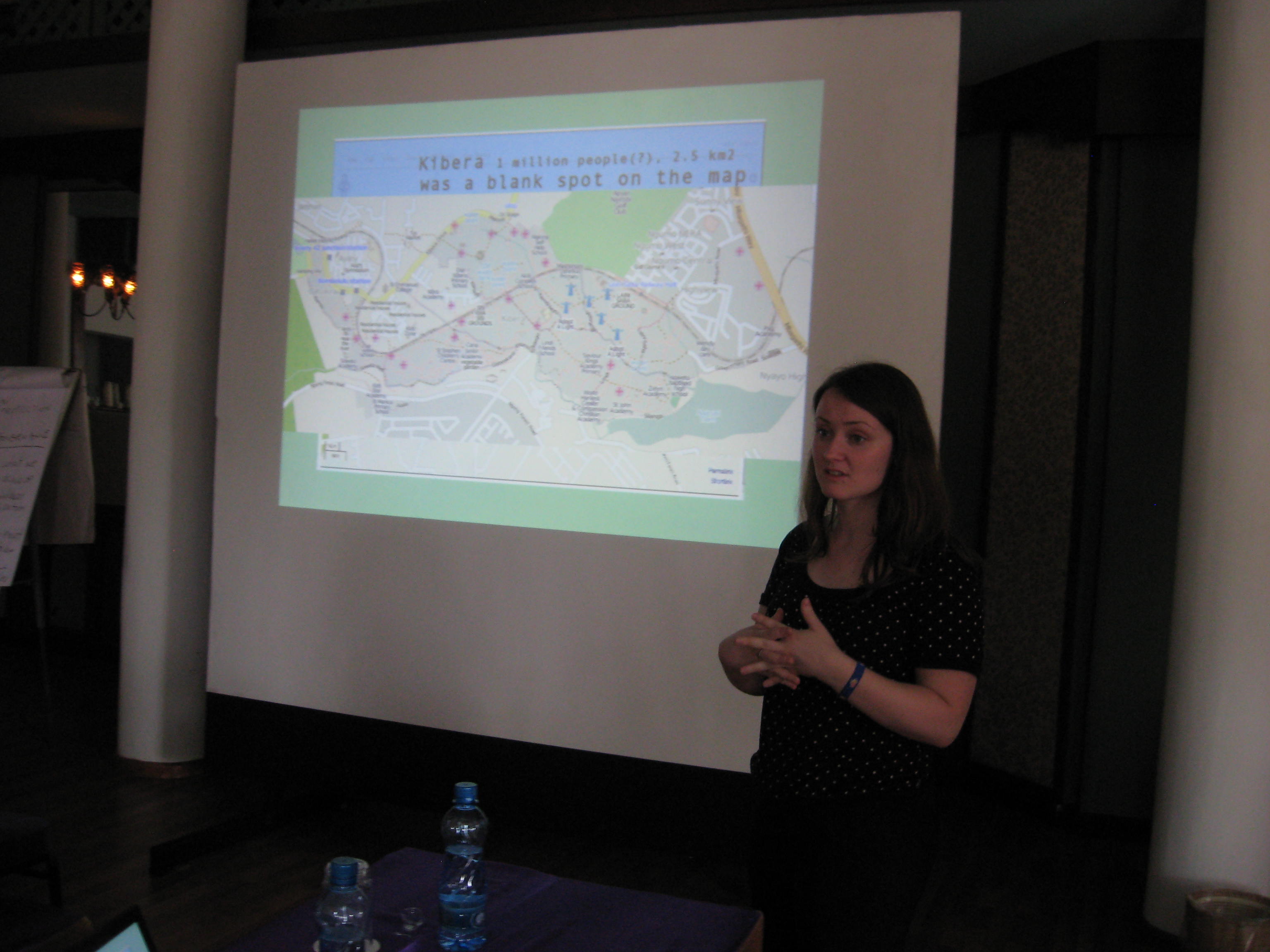
Kibera was a blank spot on the map (just like Kinango). (Jamie Lundine)

Jamie continued on with an overview of GPS and the Map Kibera project.

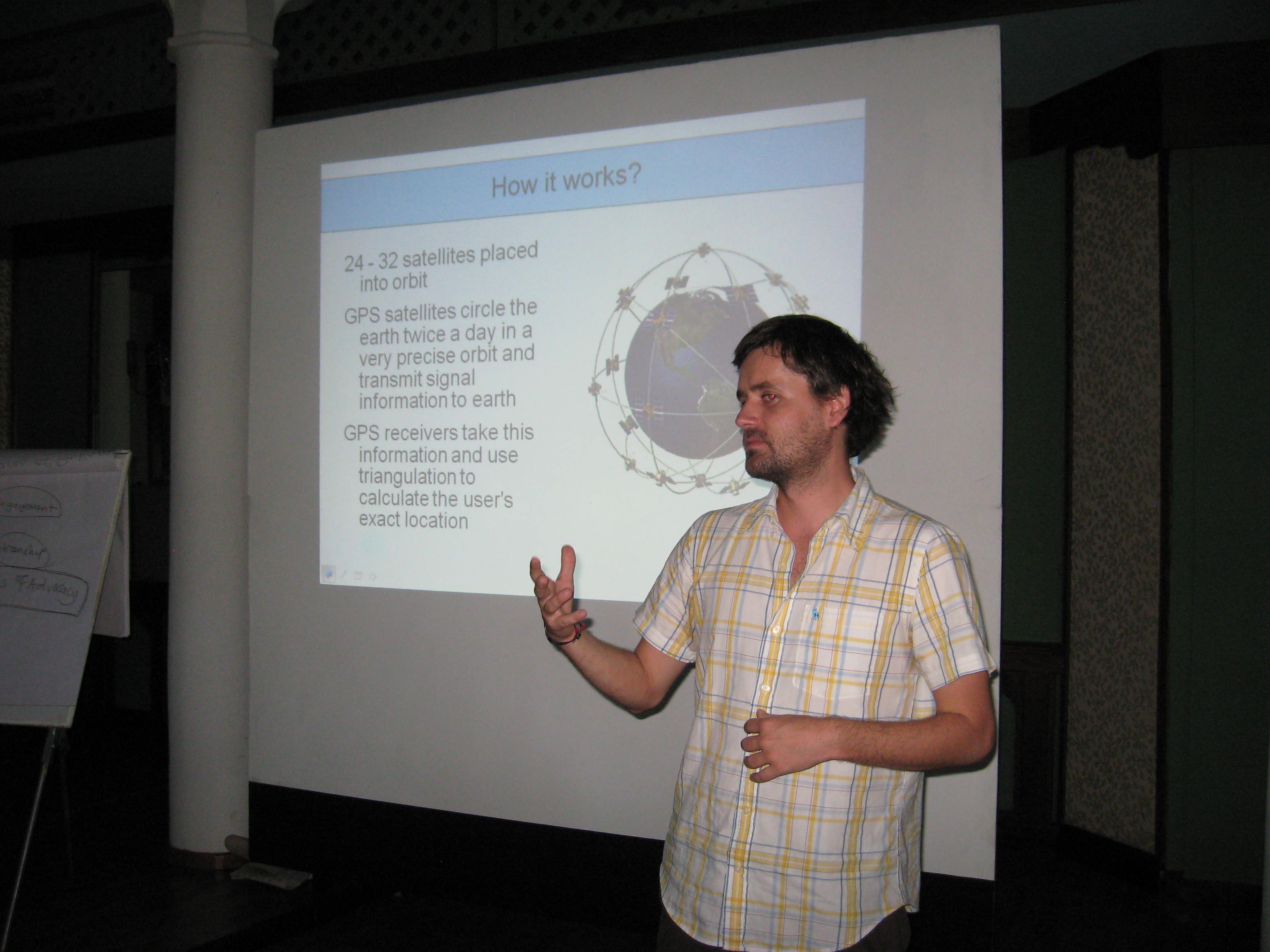
How GPS works. (Primoz Kovacic)

Primoz gave us the details on using the GPS devices and Open Street Map.

Hotel Kaskazi LTI Diani is now officially on the map

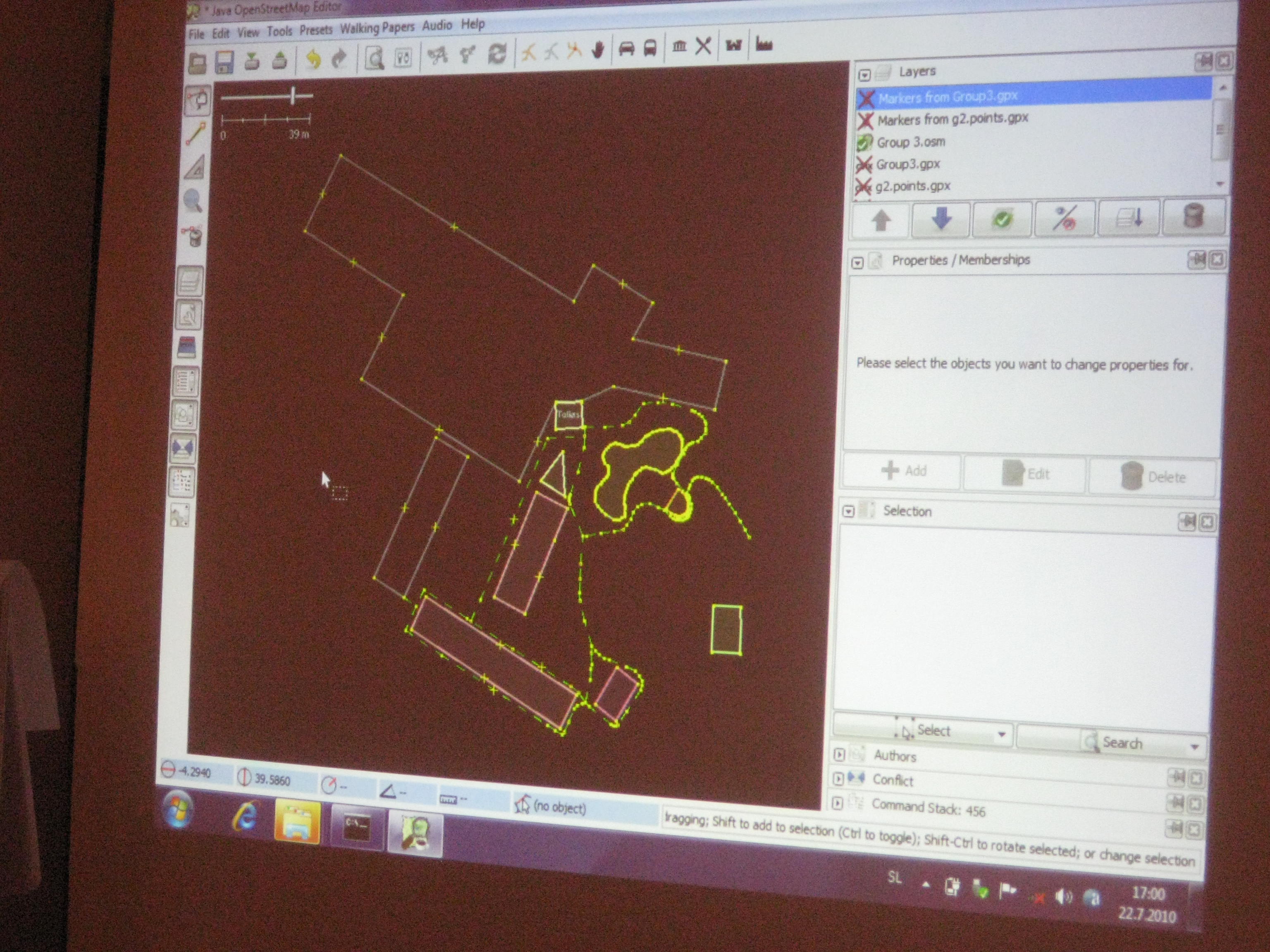
We practiced by mapping out our hotel, and adding it to Open Street Maps.

Then we went to Kinango District to start making the community map there. We met with the District Official and George, the District Youth Officer, explained why we were there. The DO said he’d heard good things about Map Kibera, and he ‘wanted to meet some of those youth mappers’. He welcomed us to move around the community.

The 4 teams did the first piece of the map, and will continue on with it in the future in Kinango but also in Msambweni and Kwale. The maps can then be used for different purposes, such as looking at existing resources and missing resources, or resource allocation, social auditing (eg., the government said that they built something here but it doesn’t seem to exist), tracking and responding to child protection issues, etc.

In addition to that, the arts and media content that youth produce as part of the project will have a much nicer digital map to sit on than what we currently have available… practically no information exists on digital maps about these 3 areas.

Here’s a video about the community mapping. If you can’t access, try the link here.

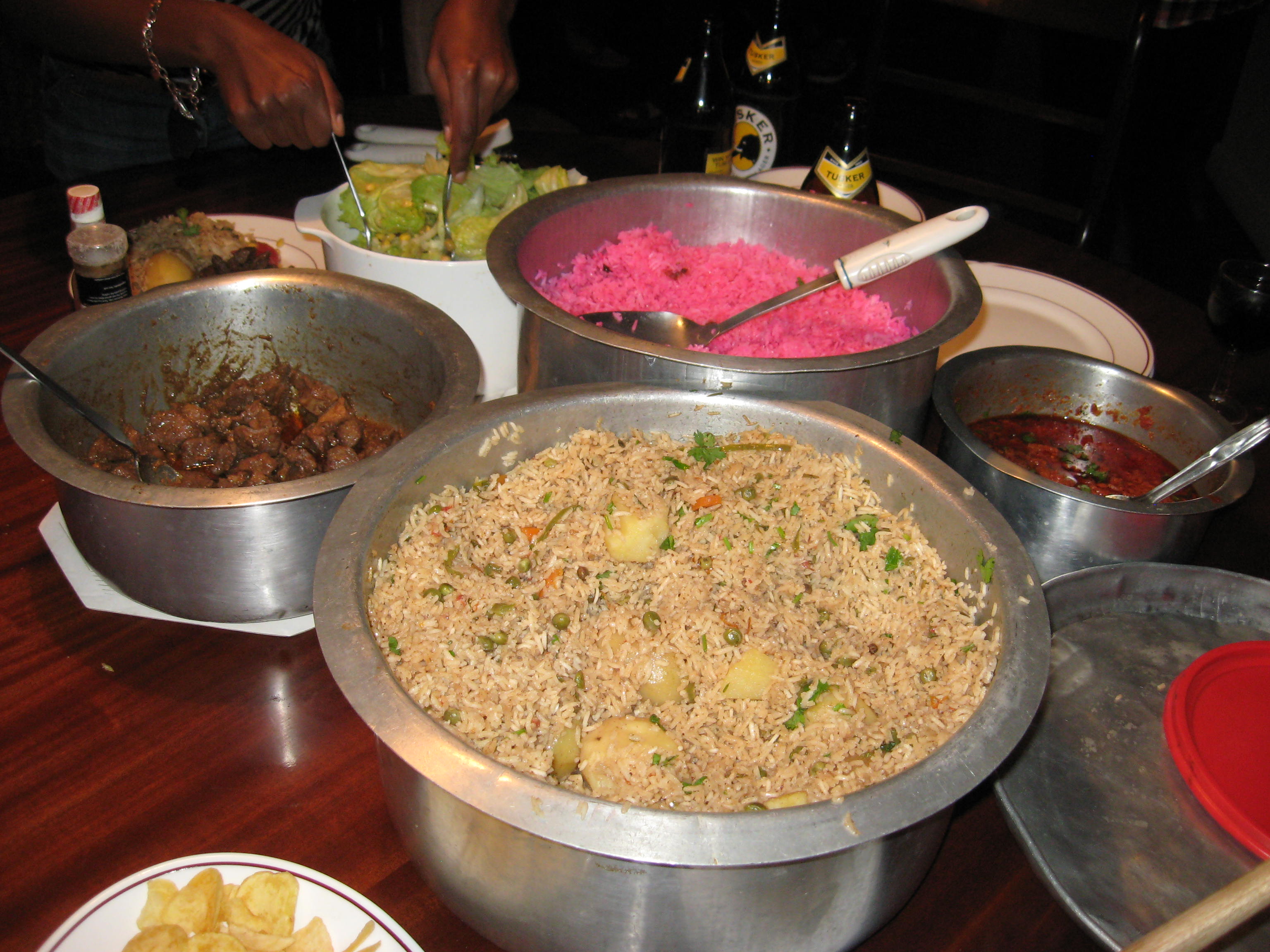
I had the pleasure of attending a Nairobi party on my last night in town and meeting up with Mikel Maron and Erica Hagen, who make up the rest of the Map Kibera team. I also ate some really bright pink rice…. yum….

If cotton candy were rice....

Related posts on Wait… What?

A positively brilliant ICT4D workshop in Kwale, Kenya

Salim’s ICT4D advice part 1: consider both process and passion

Salim’s ICT4D advice part 2: innovate, but keep it real

Is this map better than that map?
ICT4D in Uganda: ICT does not equal computers

Read Full Post »

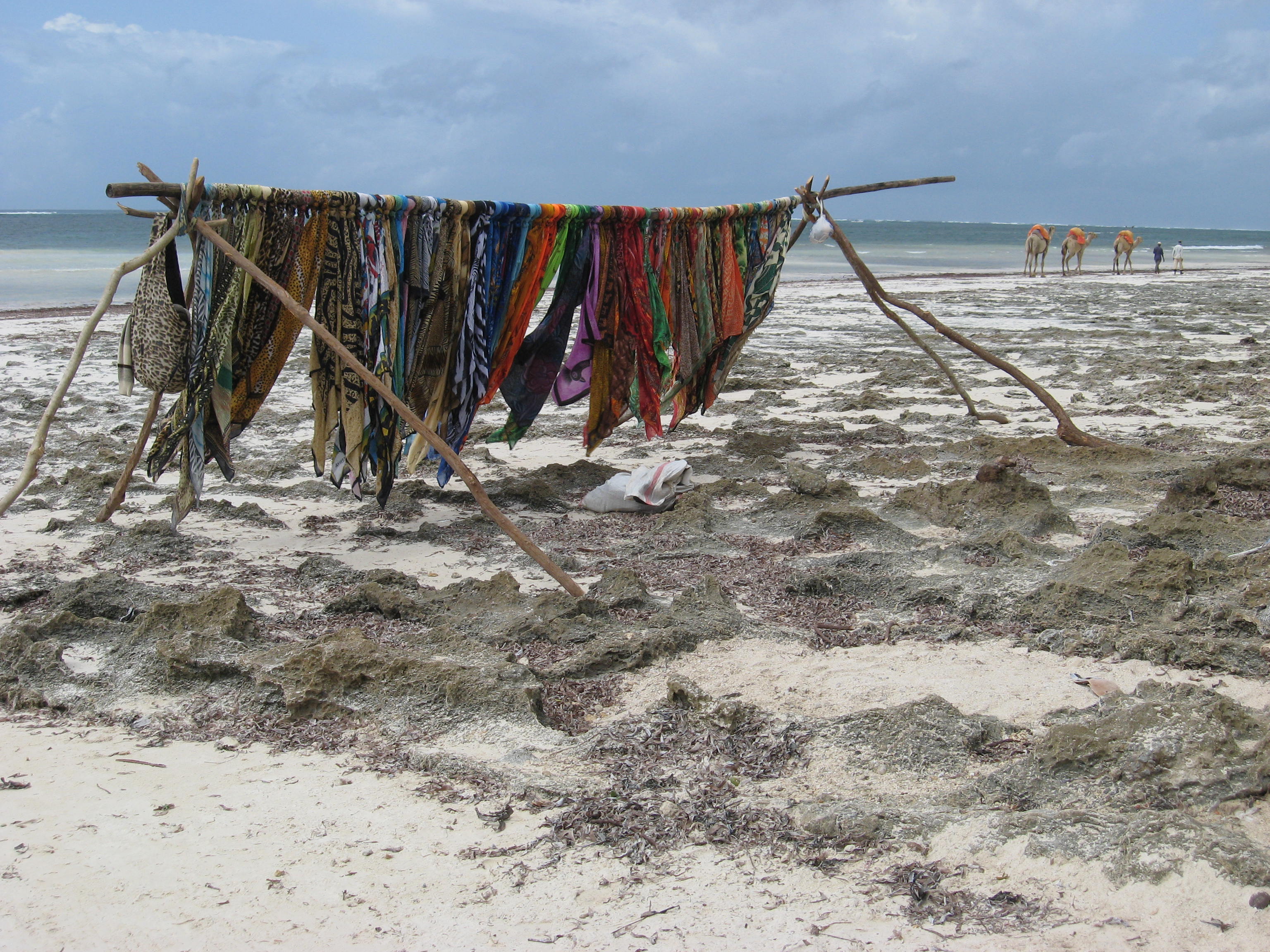
Nothing to do with the topic of this post, but the Kwale coast is gorgeous.

Last week I was in Kwale, at a Plan Kenya hosted workshop as part of the Youth Empowerment through Technology, Arts and Media program. The team at Plan Kwale has been pointedly using ICTs in their community development programs since 2003 (not counting email and Internet of course) when they began working with radio and video as tools for raising awareness about children’s rights.

It’s really impressive to see how they’ve moved forward with very strategic ideas for integrating ICTs to help reach programmatic and development goals, especially in the areas of youth and governance, universal birth registration, and child/youth-led advocacy around rights and protection issues.

Over the 6 day workshop, the main things we wanted to do were:

  • look at the development context in Kwale, Kinango and Msambweni Districts (South Coast areas where Plan operates via the Kwale Office)
  • better understand the perspective of youth in the 3 districts
  • remind ourselves of rights-based approaches to community development
  • discuss youth issues, governance, advocacy, violence against children and gender within the local context
  • look at the ICTs currently being used by youth, communities and Plan in the Kwale Development Area
  • share and discuss new social media and ICT tools and ways they can be used
  • practice using new social media and ICT tools and see if they can be useful and sustainable in the 3 districts
  • determine next steps for integrating social media and new ICTs in specific local initiatives and plan for how to build on them in Plan Kenya’s overall work

Some elements that made the week positively brilliant:

workshop participants

Engaged and committed stakeholders

We were a group about 20, including staff and university student interns from Plan’s Kwale and Kilifi District Offices and Plan’s Country Office in Nairobi; Government District Youth Officers (‘DYOs’) from the Ministry of Youth, Sports and Culture; Youth Council members from Kwale, Kinango and Msambweni; 2 staff from Map Kibera and 2 youth mappers from Kibera.

This mix meant that we had a variety of perspectives and opinions, including those of youth from local communities, partner organizations, local government, frontline staff, protection and governance technical advisors, ICT managers, and senior level program managers. This helped to ensure that we were grounded in reality, technically and thematically sound, able to cross-pollinate and integrate new ideas with solid experience and practice, and take decisions immediately forward to a higher level.

Local partners and youth-youth networking

Peer-peer learning and exchange among all the participants was a big plus. Plan and Map Kibera have very similar visions and values, yet each has its own area of specialized technical expertise and experience.  The youth participants from local councils from the 3 South Coast districts and the youth mappers from Kibera brought different perspectives into the workshop which enriched the discussions.  We all learned a lot from each other. Combining expertise as partners brought the workshop to a whole new level, and will help to ensure that the efforts are sustainable and can be built on and expanded. The youth in Kwale can now extend their skills to more youth in their communities, the youth mappers from Kibera can take home new ideas to improve their work, the university-level interns gained practical experience, and the buy-in from the local government’s District Youth Officers (who manage government funds) in the 3 participating districts can help provide the necessary support to broaden the efforts.

Flexible workshop methodology

We had certain goals that we wanted to achieve and we were clear on that, but we let the agenda flow. We started by taking a deep look at the local context and resources. We heard from local experts in the areas that we wanted to focus on (youth and governance, child protection) as well as community youth and local authorities. We spent time getting to know some new tools and discussing the pros and cons of using them.

Hands-on with FrontlineSMS

Hands On Work

We had practical sessions and hands-on work on blogging, FrontlineSMS, Ushahidi, Map Kibera, and mGESA (a local application of the mGEOS mobile platform co-developed by Plan Kenya, Plan Finland, University of Nairobi and Pajat Management and being piloted in Kilifi).

This was important for helping participants feel confident about doing some of the work once the training team was gone. I imagine however that more practice will be needed during some follow up sessions, as most of the participants don’t have regular computer and Internet access for enhancing their skills on a daily basis with additional practice and exploration.

We spent one day mapping our Hotel on Open Street Maps, and another day in Kinango, mapping specific points in 4 teams.  Lessons learned during hands-on work included the importance of engaging and involving the community ahead of time, so that rumors about why people are mapping the community don’t fly. In my group, for example, we were moving around with George the District Youth Officer from Kinango. Someone that he ran into joked to him “Oh, now Kinango is going up for sale!”  A joke, but nonetheless if people don’t know why we were mapping, this or other rumours can quickly spread. (See the video about mapping in Kinango at this link and the background blog post here.)

End goals + new tools + back again

By starting with people’s expectations for the workshop, analysis of the local context, and an understanding of the goals that youth and staff wanted to achieve together, we could be sure that we stayed true to where we wanted to end up. At the same time, by learning about new tools, things that weren’t possible before became imaginable and people started to innovate and mix their existing knowledge and experience with some new ideas.

Combining the two, and having a good variety of perspectives in the room and a lot of space for discussion and practice means that next steps will be more achievable and sustainable, because people are clear and agree about where they want to go, and they feel capable of incorporating some new tools and ideas to get there.

The tools

We explored a number of new(ish) tools at the workshop. They had been identified over the past couple years due to their use by Plan or other organizations in areas such as: community development work, violence tracking, advocacy, governance and social auditing.  We talked about mobile phones, email, Internet, Facebook, Hi5, Google search and Google maps. We did a quick overview of Voice of Kibera, use of GPS, Open Street Maps, FrontlineSMS, Ushahidi, the YETAM project, the PlanYouth website, and a Plan pilot project in Benin using SMS to track violence against children.

The first day, the context analysis was very focused on youth and governance, transparency and social auditing, so we pulled out the 10 Tactics video by Tactical Technology Collective (which @hapeeg had given to me a couple days earlier). This video series talks about 10 tactics for turning information into action. It really sparked ideas among the participants for how they could use social media and ICTs in social accountability work and human rights/child rights work.  Map Kibera partners also shared a tool developed by SODNET (SMS for social auditing of the Constituency Development Fund).

We talked about the use of mapping and SMS in child protection work. One of the main child protection issues in the south coast area is the distance that a child, girl, family has to travel in order to report an abuse. Women’s lack of economic power, inability to own property and the importance of marriageability also mean that often women and girls feel unable to speak out or protest abuse when it’s happening. It’s still not certain what role ICTs can play in this context given the risks involved to those who report, but Plan’s child protection point person, Mohammad, is planning to host a series of meetings with local child protection authorities to discuss possible ways forward.

Digital mapping was immediately cataloged as an important tool for identifying resources, advocating for services and holding government accountable through social auditing. It was also recognized as a potential income generator once areas, shops and local businesses could be added to an on-line map, or if youth could purchase GPS units with funding from the District Youth Office and charge for their GPS services. George, the District Youth Officer for Kinango talks in this video about how mapping can be useful to the Kinango community, even if most members don’t have access to computers and broad band. (Click the link or watch below)

Information and communication gap analysis –> ICT integration plans

ICT integration for youth and governance program

Early on in the workshop, we worked in 2 groups to analyze the goals for the Youth and Governance and the Child Protection programs that Plan is supporting in Kwale. The groups discussed the information and communication gaps that needed to be filled in order to move towards the goals of the 2 initiatives. We looked at what ICT tools might best help reduce the gaps, from existing traditional tools (like meetings, face-to-face advocacy, drama, town criers, radio) to those new(ish) tools that we had discovered (see above paragraph) that might be useful to try out given the goals in the 2 key areas. The groups revisited this gap analysis on the last day after having had more hands-on use of the different tools and turned the gap analysis into an action plan.

ICT integration for child protection programs

Management buy-in and leadership

While the 2 groups worked on local action plans for integrating ICTs into their work, senior management from Plan’s Kenya office created their own action plan for how to build on the workshop experience, engage mid-level managers and other key staff in ICT integration, further develop partnerships and solidify cross-cutting incorporation of ICTs into Plan’s work in Kenya. The Kwale and Kilifi program units have been innovators within Plan for several years. Learning from, supporting and building on concrete work that they are doing on the ground allows for a solid and feasible country strategy based on reality. Having a strategy built from the ground up and with solid support and buy-in from national management means that there is less risk of donor led ICT funding, and more probability that new resources mobilized for ICT work go towards real needs and have better results.

Related posts on Wait… What?

Youth mappers: from Kibera to Kinango

Salim’s ICT4D advice part 1: consider both process and passion

Salim’s ICT4D advice part 2: innovate, but keep it real

Is this map better than that map?
ICT4D in Uganda: ICT does not equal computers

Read Full Post »

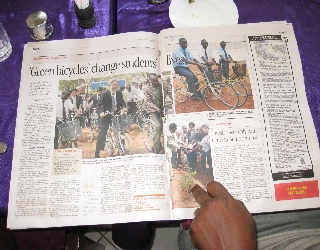
'Green bicycles' change students' lives

So I’m sitting at lunch today in Kwale, Kenya and one of my Kenyan colleagues is reading the newspaper. He comments, ‘You know, sometimes what is said to be green is not really green.’  He shows another colleague and me this article:  “‘Green bicycles’ change students’ lives.”

They begin discussing:  How are these bicycles really green? How much are they paying to ship them over to Kenya? This is not even the right model of bicycle. These are not the Black Mamba bicycles like we are used to — these bicycles will not stand up to Kenyan roads. And you won’t find the spare parts here either. We are not short of bicycles here in Kenya. Why not purchase them locally? Why are they shipping in refurbished bicycles?

I tell them about 1millionshirts (an idea to send a ton of used t-shirts to ‘Africa’ that was subsequently taken through the wringer) and SWEDOW (Stuff We Don’t Want — a term made famous by @talesfromthhood to represent the idea of sending unwanted junk to ‘developing countries’ and feeling good about it).

We go back to the article to see what the details are, to see what exactly is it that makes the bicycles ‘green’?  After all, ‘green bicycle’ is in quotes in the headline, so maybe the article’s author is also questioning the real ‘greenness’ of these bicycles.

We read that the project is the brainchild of Kenyan Isaac Kalua, who runs the Green Africa Foundation. He visited Tokyo a few years ago and met Hiroshi Kurokawa, the Chairman of the Japan Bicycle Foundation, and the idea was born.

“The organisation [Japan Bicycle Foundation] receives bicycle donations from wealthy Japanese, refurbishes them and ships them to other Asian countries to help rural people reach school and healthcare centres…. On average, each refurbished bicycle costs Sh12,000, including the cost of shipment.” Kalua was able to convince Kurokawa to ship some to Kenya also.

So, if my calculation is correct, 12,000 Kenyan Shillings is around $150. (This June, 2009, blogpost called “Wanna buy a Kenyan bike” [complete with great photos] details the features that a good bike should have for the Kenyan context, and says that a new one can be purchased in Kenya for $75).

The article explains that in return for receiving a bicycle, “beneficiaries have to plant trees in their homes and schools and also encourage their communities to do so.”  The Japanese ambassador to Kenya says “this is an innovative way to get people to plant trees.” He also says that he looks forward to the day that there will be more Japanese bicycles than Japanese cars on the roads of Kenya.

Continuing on, we read that “…the project is facing challenges from Customs officials who take too long to clear the bicycles, making storage charges to soar. We were forced to pay Sh1.2 million for the storage of the latest batch of bicycles. We find that a big burden since this project is meant to be humanitarian.”  (That’s around $15,000 for storage.)

Handy SWEDOW flowchart

Now, I haven’t visited the project, spoken with project participants/ beneficiaries, nor have I done extensive research on the initiative, so I might be missing something here. But on the surface, using the handy SWEDOW flow chart, (created by Scott Gilmore at Peace Dividend Trust) it looks like the best thing to do with a bunch of used bicycles would be ‘sell them, send the cash to buy local’, or ‘throw them out.’

Greening Africa. Bike riding in Kenya. Tree planting. Recycling/re-using Japanese bicycles. Good ideas, but I bet there is a better, more sustainable, and more cost-effective way to achieve those aims than shipping refurbished bicycles from Japan to Kenya.

Related post on Wait… What?

The elephant in the room

Read Full Post »

Yesterday my colleague Mika Valitalo at Plan Finland sent some information about mGeos, a cool project that Pajat Management (a Finnish company), Plan Kenya, Plan Finland, Helsinki University of Technology and University of Nairobi have been collaborating on for the past year. Note: Mika and Pertti Lounamaa from Pajat gave me written permission to share this info.

The idea? To develop easy-to-use GPS-based mapping software that runs on low-cost mobile phones.

Detailed map information is missing from most of the 'developing' world

What needs is mGeos responding to? Being efficiently able to provide health, education and humanitarian aid or even most industrial services is critically dependent on knowing where to provide these services. Basic location information about points-of-interest (POIs), routes to them and areas to service are missing from the countries in most need of public service improvement. In ‘developing’ countries especially, critical map and location information is largely incomplete, outdated or missing. For example, in the image here, you can see small town map details available for Finland (left image) vs for those for Kenya (right image).

Earlier experiences in a few program countries as well as responses to a questionnaire conducted with Plan Kenya staff showed a desire and clear need to use location data more effectively. There is also a need to make it available on low-cost phones that are more accessible.

Stefanie Conrad (my awesome boss) for example, sees it like this:

“Geographic analysis of the distribution of social services such as wells, hospitals, telecommunication facilities, broadcast services, schools, etc. is essential for Plan’s program work in order to have a sound understanding of the best way to provide access to those services. In reality, most of our country offices work with non-geographical systems, for example, lists of communities. In many countries, the government itself does not have sufficient mapping of communities in place. Decisions on where to put something to guarantee access to populations often becomes a thing based on best guess.

Mobile phones with GPS could support more equitable and technically sound placement of basic services. Digital pictures and maps could be used with communities in order to facilitate discussions about where to best place a well, for example. This can often be a difficult process, as usually community leaders try to get these types of services to be conveniently placed as close as possible to their own homes….  Many of our offices also have difficulties producing the maps needed for corporate communications (area overviews, local area maps, etc) – this would become possible with GPS.”

The mGeos project aims to respond to these identified needs. A 3-month field pilot is planned to take place in Kilifi, Kenya, in July.  I’ll be in Kenya in July and if the pilot goes forward then, I am hoping to be able to see personally how mGeos works!

What are mGeos’ key features?

  • mGeos service platform

    Supports collection of structured data as numbers, text, exclusive and multiple choice and images; and also location data including points of interest, routes and areas

  • Multiple front ends:  standard internet browsing for laptops and large screen smart phones and mobile browsing (xHTML/WAP)
  • Dedicated application for GPS enabled mobile phones
  • Authoring tool for defining forms and corresponding database model for storing the collected data
  • Open API for accessing stored data
  • Based on a SaaS (software as services) model

What does the mGeos system consist of?

  • client software which runs on low-cost S40 GPS enabled mobile phones (eg. Nokia 2710)
  • server running a database where all the collected information is stored and accessed
  • portal i.e. webpages which show the collected Points of Interest (POIs) on Google maps (or other maps) and allow browsing, exporting and sorting of the collected data.

What would mGeos look like in action?

Say a field worker named Victoria arrives to the Kilifi District Program Unit in the morning. She’s planning to visit Kujemudo community. Before leaving for the day trip, she takes a GPS enabled mobile phone from the office and downloads the latest updated ‘Points of Interest’ (POI) list from the computer to her phone.  The POI list has been created by Victoria and her colleagues by gathering location data while visiting different communities during the past couple of months.  Today Victoria also wants to map important POIs in the communities, among many other tasks.

After arriving to Kujemudu and having a meeting with the local community based organization, Victoria rides her motorbike over to a school building in Ezamoyo village, takes her GPS enabled mobile phone in hand, and starts the mapping application.  The she chooses ‘add POI’ from the menu, selects the POI category of ‘school’ and adds the name of the school. After that she also types in the additional information such as the number of pupils and teachers, ownership of the school, etc.  Finally she takes a photo of the school, attaches it to this record and saves the information to the phone memory to be transferred later to the computer server.

Next Victoria visits Mkombe village where the location and information of the school has already been entered into the database by her colleague Peter a few weeks earlier.  Victoria uses the POI browsing feature to find the right school (browse by POI category).  When she finds the existing data record, she chooses ‘edit’ in order to update the information. Because part of the school has been reconstructed, she takes a new photo of the school and replaces the outdated one. Also, since the number of students has increased, she edits the ‘school population’ field to match the current number. Finally she saves the record.

While visiting Mabirikani village the next day, Victoria checks one of the wells, because she has heard that it has collapsed due to recent floods.  Since this is clearly the case, Victoria takes the mobile, searches the well from the data base and marks the record as deleted.

mGeos web screen shot

The next day, Victoria arrives to the Kilifi District Program Unit, connects the phone to her computer, and uploads all the new records and changes. Then she sends them to the mGeos webpage, which gets updated (i.e., now all the users can see the Ezamoyo school building, the updated information from Mkombe, and will notice that the well in Mabrikani is no longer in use).

When Victoria sees the new information in the system, she notices that she has mistyped the number of pupils in Mkombe school.  Since she is the author of the information, she can also edit the record in the mGeos webpage to correct the information. After checking that all the other information is OK, she leaves the phone in the office and continues with other work tasks.

When will it be tested? We plan to fully test the application in Kenya in July. Plan Kenya/Kilifi District Program Unit has identified a number of  POIs ( schools, health facilities, water points, trading centers etc.) they would like to map. They have also listed additional information each POI should have. For example, for schools they would collect information on: name, type (special, integrated, non-integrated), level (primary, secondary…), numbers of pupils, availability of water and sanitation services, etc. etc.  This information would be entered into mobile phones running mGeos software and later transferred to the server for sharing, analysis, editing, reporting and exporting.

Once the pilot has run, and user input is collected, the system will be adjusted and improved so that it can be fully launched.  I’ll keep following the mGeos story and post more as it’s tested and rolled out!

Update:  For more information see these later posts:

mGESA: Mobile GEographical Services for Africa

Mobile Date Collection through Points of Interest in Kenya (on Mobile Active)

The final application is called PoiMapper (see www.pajatman.com). Give it a try by downloading it and installing it on your mobile!

Read Full Post »

As part of our mobiles for outreach and data gathering training last week, we went out to a community about 20 minutes away from the hotel today to hear Silla, the district civil registrar, talk about a project that Plan Kenya is supporting that aims to modernize the birth registration process. Plan Kenya is looking incorporating mobile data gathering and outreach into the project, so it was a good opportunity to test data gathering. We tested the Nokia Data Gathering Software using a form that the team had created earlier in the week based on the paper forms that the District Registrars office uses. It all worked just fine. Photo: Silas from Kwale District, and Petri, Director of the Nokia Research Center in Manaus, Brazil.

Silla is really an expert on birth registration and anything that has to do with it. He can quote you just about any law related to the subject in great detail. Currently, for registering births, people have to go to the sub-registrar/assistant chief’s office which can be quite far. Once there, sometimes there are not enough actual registration forms and they just give the registration information to someone who writes it in a school notebook. Later when they have more forms, the information is transposed to the official form, and sent along for processing. It can take awhile for processing, and people have to return to the sub-registrar’s office personally if they want to find out if it’s ready. The district is quite large, so they may have to travel up to 100 kms sometimes to go into check, and the certificate may not even be ready yet. Photo: Silla schools us on civil registration and explains why the district wants to modernize the process.

I talked to Ali M and Ali K (‘the Ali’s’ as we call them, since they are pretty much inseparable) who both work with Community Based Organizations (CBOs) that are participating in the birth registration project. (They were both at the video training with me last month here also). They explained some of the main reasons that not having a birth certificate makes life difficult:

If children don’t have birth certificates, they cannot get passports obviously, but that is the least of the issues. They cannot attend secondary school without one, nor can they benefit from any type of social service or insurance. Kwale district has a very high incidence of child marriages, yet if there is no birth certificate there is no way to prove in court that a girl is too young to be married. Other kinds of abuse also cannot be proved as child abuse. Without proper registration, the district does not get its fair share of the national budget because it’s not clear how many people are actually there. Photo: Ali K and Ali M – real leaders and innovators in community development.

As the Ali’s explained, if Kwale District is successful in incorporating SMS’s, mobile data gathering, and mobile outreach into the birth registration process, not only will they be the first district in Kenya to do it, but Kwale will be the first to even computerize the birth registration process. A couple ways they want to use mobiles are to provide a phone number that people could SMS their registration number to and find out if their certificates are ready or not, thus avoiding a long trip into the district office for nothing. They are also thinking of shifting the actual data gathering from hand written (carbon paper with several copies) to mobile data gathering and computerized data storage. In any case, a full project is being developed and piloted that will automate much of the current time consuming processes.

I remember when I lived in El Salvador and the municipality changed from hand written logs to computers. You used to have to go really early in the morning and wait in a huge line to get a number. Then you waited again till they called your number, went up and gave someone your information. That person would give your information to someone else who would look up the name/date, etc. and after an hour or 2, they’d call you and give you a little piece of paper with your record number on it. From there you would go wait in the cashier line to pay a fee for the copy of the certificate. Then you would go to another line at another window and give that number to someone else and sit down again for another few hours while that person would go into the archives books (bound books of hundreds of records) and find your certificate for you (birth, death, marriage, etc.). They’d make a copy and then it had to go to an official somewhere to authorize the copy before they’d give it to you. So basically you had to get there around 7 a.m. if you wanted to get it the same day, and it was a whole day affair.

Around 2000, they got a computer system in and modernized the process. I went in to get a copy of a document, and I clearly remember the security guard laughing at me because I looked at the certificate twice in shock when I paid my fee and was handed the actual certificate after about 30 minutes.

If the Ali’s and the Kwale District are able to get the equipment and set the project up, it could mean huge time savings for people and translate into greatly increased numbers of parents getting birth certificates for their children. The Ali’s have already taken the idea to a national level meeting and have other districts interested in their idea. Hopefully Kwale pulls it off and the model can be nationalized once any kinks are worked out! Photo: Mwenda and Ali, Kwale district CBO members.

Read Full Post »

Building on the last post, I wanted to share also some of the discussion at last week’s Kenya workshop about incorporating mobiles into our work. People in general were pretty excited. Even those people who were skeptical seemed to see mobiles as tools that could improve work we are already doing if well incorporated and done from ‘the bottom up’ in sustainable ways, based on program information and communication needs. Some great discussions came up and participants shared some potential solutions and good practices.

Issue: Access

We are working with children. How many children have phones? How do we get information from children? We work with communities who are the “poorest of the poor” – so how do we get info from them using FLSMS – do we expect them to have phones? Or people may have phones but no credit? How do you handle such circumstances?

Use a short code if you can get one

Credit is a very important issue. If organizations or institutions want to use SMS, then there is an investment cost unless you can acquire a short code. If you have a short code you deposit money to make this free or much lower cost for people.

Don’t assume that children don’t have access to mobiles

We should not assume children do not have access to phones. If the information is out there, children will find someone that is willing to help them make a call or text. Many children now call us (at the Child Help Line) even without a fixed line. They have a teacher, an auntie, a big sister who will allow them to borrow the phone. I’ve seen that almost everybody in the community has a SIM card. They do not have a handset, but when they need to make a call they borrow the handset for a few minutes and somehow they do it. We can’t make the argument that children can’t use technology. There are innovative ways of using the technology so let’s put the technology out there and stop assuming that people can’t access it. The issue is how can we make the technology reach as many as possible?

Give out SIM cards with a few minutes on them to protect privacy and confidentiality

We had a similar situation with a reproductive health project that was offering out information that most girls wanted to remain confidential. What we did was gave out 10 bo SIM cards. We passed them out in little boxes. Many of the girls had phones but wanted to send in anonymous questions so they used the SIM cards to send the SMS in, and then removed the card from the phone, put it in their pockets, and replaced their original SIM. It only costs 1 shilling via Orange. We found that normally the SMS conversation lasts for around 6 shillings. They can maintain anonymity this way. It’s cheap and they can just keep these SIMs in their pockets.

Issue: If mobiles begin to replace face-to-face contact and relationships with partner communities.

Using Frontline SMS for community outreach and communications has many advantages, particularly in terms of the information that we constantly need to gather. However, we should be careful though that it doesn’t substitute field visits. If people get used to getting information quickly they are likely to avoid going out and getting in touch with communities to see what is happening. If you just sit and wait for an SMS you will lose this face-to-face contact with the community.

Mobiles can be a tool, but must be integrated with other communication means

This point reminds us that we should not totally substitute it but use it as an additional tool in the toolbox to improve, cut costs, reduce, etc.

Issue: A text does not give enough space for full and clear information in health or other cases

We talked about using Frontline SMS for radio. In our participatory youth media programs, children bring out issues in video, in radio, etc. We are not always able to respond immediately to their concerns and issues. FLSMS could be a way to respond to these issues. Are there examples of how to pass on this type of technical information? If I’m a midwife and am too far from hospital, I need very clear information. How could this be done with SMS via an auto reply and only a short amount of text?

Use SMS to bring face to face help more quickly and to track/record incidents

SMS isn’t a solution for everything, but I know of an example of how that can work. There is another program called Ushahidi that is about crisis mapping. It’s a digitized map. Sometimes when a situation becomes extreme people are asked to share their locations using GPS and then you can send local people to these places on bicycles or through other means to help. This allows the professional help to arrive more quickly. Maybe SMS can’t solve it but it can bring help more quickly.

Use SMS as a supplement, not a replacement for human contact and long-term work

In the case of trying to change harmful practices and traditions, we need time and eye contact. If we are working with trying to make cultural changes, such as in the case of infanticide or something, you can’t just send a text that says “this is a bad practice”. You need to come close to people. I believe FLSMS can offer a secondary way or a supplement to a given community meeting, to strengthen a rapport with the community, but it’s not a replacement for our long term work and ongoing relationships with people.

Read Full Post »

I spent last week in Kwale, Kenya in the company of several colleagues learning about and discussing the use of mobiles in community development, both for outreach and communications and for mobile data gathering. There was a variety of people — from frontline staff to members of Community Based Organizations (CBO) in Kwale, to monitoring and evaluation (M&E) staff from Plan Kenya’s districts and central offices and Plan’s West Africa Regional office, to IT staff, to youth and those working with youth media, to partner organizations working on child help lines and social media outreach.

Photo: Anthony from Plan along with Mativo, a former Plan colleague, trained us on FLSMS

We looked closely at Frontline SMS (FLSMS) and Nokia’s new Data Gathering Software (NDGS) and brainstormed on ways that this type of tool might support the work that people are already doing. Really an interesting week!

In addition to the more common ideas of using mobiles for health campaigns, disaster/crisis situations and general communications and monitoring, people mentioned:

For youth media programs:

-Organizing weekly radio contests via Frontline SMS and allowing many more youth to participate in the radio program that way. Now for contests, they have to write a letter with their answer and bring it to radio station by foot. Using SMS many more could participate, increasing listeners and engagement.

-Assessing the radio show right after the recording. The youth and children could go in the audience and gather the data they normally do by hand using mobile data gathering software, thus easing the processing time and analysis of the information.

-Monitoring progress and changes made in relation to the show at a broader level — the participating youth could use mobile data gathering to monitor change related to the issues they are targeting in the radio shows and to see if youth organization and awareness building is impacting on the community over time.

Photo: people got really excited when their first forms appeared on their phones to be filled in!

For Child/Human Rights work and Global Child Rights Campaigns:

-Assessing the knowledge/awareness of the communities about rights issues and/or our global campaigns

-Receiving reports and sharing information about violations of rights (gathering info on whether children are being registered at birth, the incidence of school violence, girl’s or women’s rights violations, cases of child abuse) and offer short information on where to go for help.

-Monitoring child abuse cases, e.g. community members could text in key words such as ABUSE or MARRIAGE to report and track child abuse cases and early marriages happening in the community:

Birth Registration (UBR) implementation

-Tracking birth registration certificates and sharing information on the steps of the registration process. With auto SMS replies we could enhance information accessibility 24/7. We could provide instant feedback to people on the status of their birth registration. It would be a very quick way of sending information to many.

-Using mobile data gathering software, the birth registration process could be made paperless and computerized, thus saving time and effort for the population and increasing the number of children who are registered at birth.

Photo: Jackson and 3 other colleagues from Brazil trained us on the NDGS.

Monitor services

-Running a mobile survey or a rapid assessment to find out whether a service like Childline is reaching people and whether the service is known and being utilized in the field.

Communicating among Plan staff, CBOs, Communities

-Passing along information such as training dates, schedules, meetings, etc., to avoid making a trip out to the community to get information

-Surveying on health, school attendance, and school enrollment through a network of teachers

Communities communicating amongst themselves

-Communities have a lot of information they want to share among themselves, among the Community Health Workers (CHWs), with the other communities and other leaders – they could do this with FLSMS.

Managing Meetings and Decisions

-Inviting participants, confirming attendance, updating on the absentees when you’ve reached a decision they could be contacted this way. You could even involve those who are absent in voting by SMS if you don’t have quorum; eg., text in 1 for this candidate, 2 for this other one, or vote yes/no on something.

Photo: SMS was seen as a great way for communities and CBOs to communicate and organize.

Read Full Post »

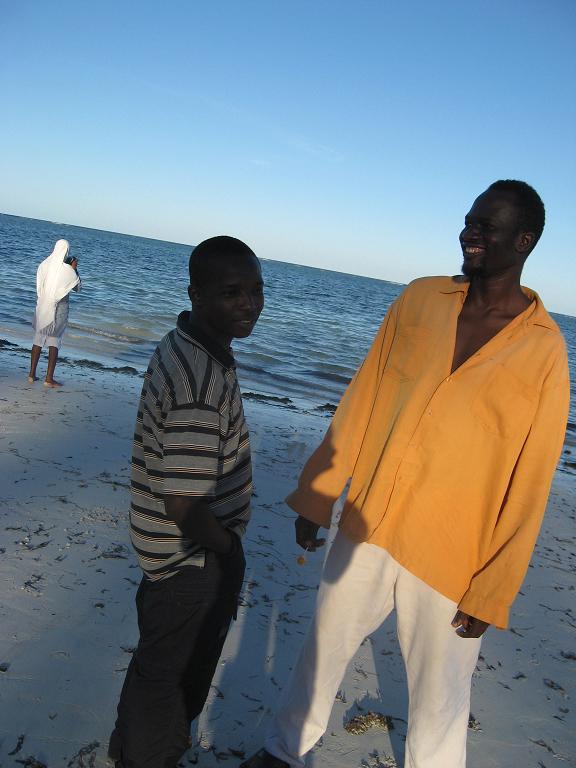
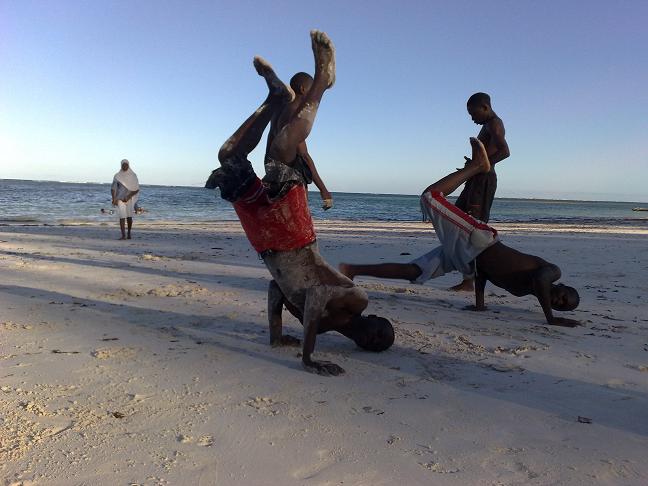
We ended up taking a nice break Saturday afternoon to go to the beach. Really nice. Took tons of photos. Ended up trading acrobatic tricks with the guys so that was fun – everyone showing different moves and people trying it out. I only had like 2 things I could do – this one capoeira move – queda de rins and a headstand where you push up into a handstand — but it was fun showing them how to do it. I think we all needed a break.

Anthony and some of the guys stayed up till like 4 a.m. getting rough cuts of 12 videos done since that was the goal for the week. I stayed up sorting photos, but not till 4!

Sunday we had a light morning. We did the evaluation by asking what was the most significant change they had experienced at the personal level during the workshop, and what change did they want to see in the community. This led into a selection of the issues that the kids want to address in the community going forward. What really came out was poor performance in school – especially for girls, early marriages/early pregnancies, disabilities/the community attitude towards those people with special needs (the community still practices exposure and infanticide if children are born with any type of disability), and youth participation/youth action to make these changes in the community. They will work on their action plan this coming week including how they will use these and other videos they will make, along with any skills they’ve learned this week to bring about some changes in the community in those areas.
Summary of some expressions during the evaluation:

“I’ve learned that change comes from within and not from outside.” Community Chairman

“I would like to work on the issue of disability because the community needs to know that every child has a right to life and disability is not inability.” Ali
“Now I’m viewing arts and media in a very different perspective – as a vital tool in sharing and disseminating ideas/issues thereby transforming the lives of people around the world” Ali K
“The workshop has changed my attitude so I feel that I can do something better for my community.” Vincent
“I’ll make a change of early pregnancy in the community and I will stay with all girls and discuss the way girls get pregnant when they are at school and how they get it easily.” Violet

“Before I joined the workshop I didn’t have an ambition, but after I joined I was taught how to use camera, to edit, to interview people and now my ambition is to become a journalist.” Samira
“I discovered my responsibilities as a youth and a technique that I can use to convince people in the community towards positive attitudes. As a youthI will make sure that the young generation is given a chance to participate in the community.” Dickson

“I would like to work on the issue of early pregnancies. It really touches my heart as it makes most of the girls in my community not fully acquire the right to education.” Chimoche

“I have come to know how to sort out problems from the community through friendly negotiation and I have developed empathy to some things.” Bomaz
“It has helped me to look at things from a broader perspective and I am in a better position to reflect on the different situations that I come across and make necessary adjustments… I would like to use of the skills I have acquired to help the community reflect on their situation so that it changes for the better.” Rama

“I’ve been introduced to the method of looking at things/issues at different levels hence identifying the consequences and impact they may have in the community.” Zainab (teacher)

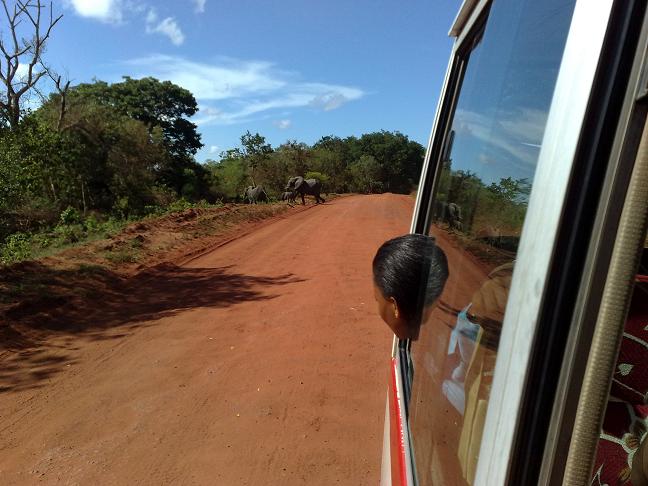
We all got on the bus around 2.30 to drive everyone back to their communities, including the 2-3 kids who lived in other communities. The door fell off the bus last night as we were coming back from the beach, so the bus was really breezy. We drove around through really lush green areas where the national park and elephant sanctuary is first (and saw a herd of 4 elephants!) and then through a very arid place, and then back to a different hotel right on the beach where Wajuhi, Ali K and Ali M, and Rama and I will put the finishing touches on the videos, do the transcriptions and translations, and wrap it all up before we go home on Wednesday. There was Arabic music playing in the bus and the guys got going singing all these songs in Swahili on top of it. Maybe some of it will be nice for background music on the videos?

We got to our hotel around 6.30. It’s really nice – gorgeous floors and wood staircases, white washed, beautiful gardens, right on the beach. Since it’s low season Plan Kenya gets a good discount price. But I guess it’s geared to the older tourist. They were having bingo at 9.15 last night! I checked out the beach this morning and it’s not that great of a beach because it’s not flat and there is a lot of seaweed washing up, but nice for a solitary walk in the early morning.

Read Full Post »

« Newer Posts - Older Posts »