Feeds:
Posts
Comments

Archive for the ‘mapping’ Category

I spent the first 2 weeks of November in Mozambique working on the continuation of the Youth Empowerment through Arts and Media project. This year, we are piloting digital mapping in addition to the other ICT tools that we’ve been integrating into the project. We weren’t able to find anyone locally in Mozambique who could train on Open Street Map but luckily were able to link up with Portuguese-speaking Iván Sánchez Ortega from OSM in Spain. (In case you didn’t catch the link – the official language in Mozambique is Portuguese…)

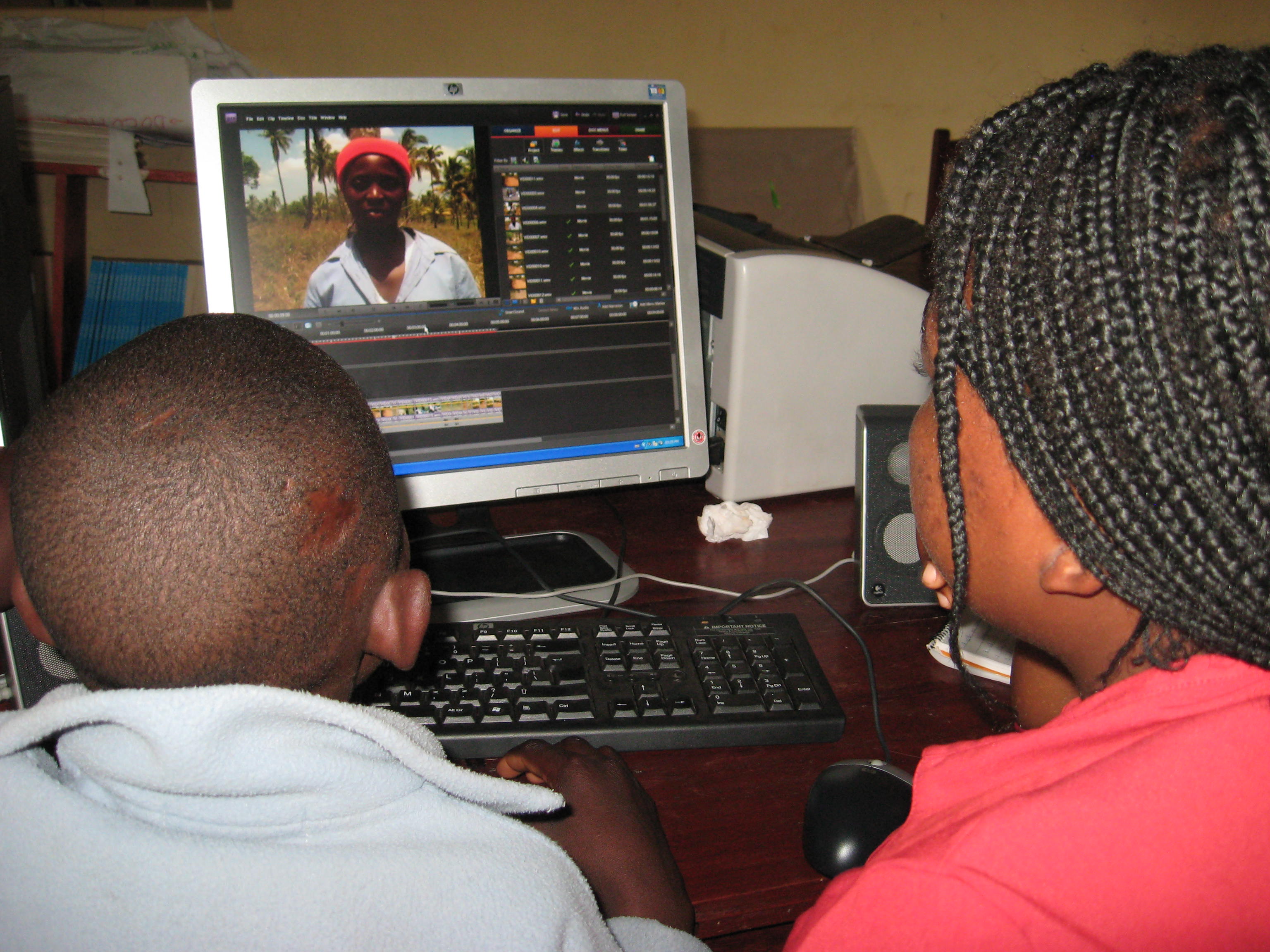
Iván was a great trainer and the youth from the two associations (Vuneka and Litanga) that we are working with really took to the idea of digital mapping and learning some new skills in the area of painting, theater, print journalism, radio, video and blogging. See some of Ivan’s thoughts on this Maps for Mozambique post.

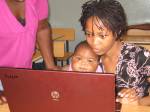
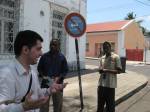
Here are some photos of the work we did while in Mozambique….


Read Full Post »

Bamboo Shoots training manual

I like to share good training guides when I come across them, so here is a quick summary and a link to Bamboo Shoots. It was originally created by Plan in Cambodia.

Bamboo Shoots is a training manual on child rights, child centered community development and child-led community actions for facilitators working with children and youth groups. You can download it here.

Bamboo Shoots was developed to: Increase children’s understanding of their rights as defined by the United Nations Convention on the Rights of the Child (UNCRC); raise children’s awareness of their rights and build their capacities to claim them; create opportunities for children to recognize, identify and prioritize issues and problems or gaps in relation to child rights violations; and provide opportunities for children to influence agendas and action regarding identified and prioritized child rights violations.

Bamboo Shoots takes complicated concepts and breaks them down into easy language and engaging, interactive sessions. It also offers good resources and background material for facilitators so that they can manage the sessions well.

Part One:

I like this manual because it starts off right in the first chapter with the importance of setting the tone and the context for good child and youth participation. It provides ideas on selecting participants and facilitators, and gives a description of a good facilitator. It provides recommendations on the setting and practical considerations for managing a workshop with children, as well as good paragraph to help think through when and when not to include other adults in the training.

The guideline goes through the 6 principles for making child participation a reality:

  1. Non-discrimination and inclusiveness
  2. Democracy and equality of opportunity
  3. Physical, emotional and psychological safety of participants
  4. Adult responsibility
  5. Voluntarism, informed consent and transparency
  6. Participation as an enjoyable and stimulating experience for children

It shares Plan’s code of ethics on child participation and important steps to follow in working with children, as well as tips on how to establish a good working relationship with children, how to help children learn and develop their potential, how to help children build self-confidence and self-esteem, and how to encourage children to develop a responsible attitude towards others and a sense of community. There is a section on how to keep children safe also and an explanation of a facilitator’s ‘duty of care’.

A last section of part one lists common facilitation techniques and tools, such as: role-play, working in pairs and groups, idea storming, whole group discussion, questioning, projects, buzz sessions, drawing, photographs, video, word association, recreating information and more; and gives ideas on when they are most useful.

Part Two:

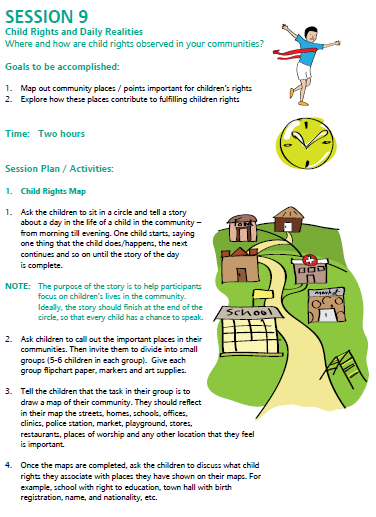
Section 9 on community mapping

The next section has very complete sessions on:

  • the concept of rights
  • the history of human rights, and international treaties on rights
  • children’s rights as human rights
  • duties and responsibilities in relation to child rights
  • making sure children are involved
  • child rights and daily realities and making a child rights map
  • gaps in fulfilling child rights
  • setting priority problems and violations of child rights
  • creating an action agenda and proposed solutions to the gaps identified

Each session comes complete with a pre-training assessment, reading material for facilitators and handouts for participants.

Part Three:

The last section of the manual helps facilitators take children through the steps to child-led community action, including children’s participation in all the program and project cycles: assessment, planning, implementation, monitoring and evaluation.

Needs-based vs. Rights-based

It also explains Plan’s rights-based child-centered community development approach, the foundations of that approach, and the difference between needs-based approaches and rights-based approaches. It goes on to cover planning and supporting child-led community action.

The last section of the guide offers a list of resources and references.

For anyone working with children, or even anyone looking for an excellent comprehensive community training package on rights and community-led action, I really recommend checking out Bamboo Shoots. Whether you are working through media and ICTs or using more traditional means for engaging children, this is a great guide on how to do it well from start to finish. I’ll be referring to it often.

Additional Resources:

Minimum standards for child participation in national and regional consultation events

Protocols and documents to help ensure good quality child participation

United Nations Convention on the Rights of the Child

Insight Share’s rights-based approach to participatory video toolkit

Related posts on Wait… What?

Child participation at events: getting it right

Community based child protection

Child protection, the media and youth media programs

Read Full Post »

Our Tracking Violence Against Children in Benin project won first prize for Most Innovative Use of Technology or Social Media in Plan’s internal Global Awards contest. The competition was fierce and we were up against some really great projects.

Here’s a nice video overview of the project and where we hope to take the initiative as we go forward.

We still have some kinks to work out and we are still in pilot phase, but we are pretty happy about the award in any case. It helps motivate us even further to improve on the idea until it’s fully functioning and sustainable and we know that it’s resulting in more reporting of violence, helping to track trends and cases of violence, and being used by local and national authorities for responding and following up on those cases that occur.

Many many thanks to everyone who has helped the project get where it is, including:  Henri da Silva, Carmen Johnson, Bell’Aube Houinato, Amelie Soukossi, Eleonore Soglohoun, Morel Azanhoue, Victoire Tidjani, Alfred Santos, Jean Sewanou, Michel Kanhonou, Paul Fagnon, Camille Ogounssan, Anastasie Koudoh, Mika Valitalo, Ken Banks, Josh Nesbit, Patrick Meier, Juliana Rodich, Henry Addo, David Kobia, James Bon Tempo, Stefanie Conrad, Theresa Carpenter, Penelope Chester, Shona Hamilton, and community leaders, parents, school directors, local authorities, children and youth in the 2 participating communities.

Related posts on Wait… What?

Fostering a new political consciousness on violence against children

7 (or more) questions to ask before adding ICTs

Finding some ICT answers in Benin

Tweaking SMS based violence reporting system in Benin

Community based child protection

New Plan report on ICT-enabled development

Read Full Post »

I’ll be speaking on a panel called ICT4D, Innovations and the MDGs next week during UN Week in New York and another on Girls and Mobiles hosted by Mobile Active. So, I’ve been putting together my thoughts around girls, child rights, ICTs and the MDGs.  The angle I’m taking is not from the large donor, top down, huge institutional program side, but instead, looking at examples from the work I’ve been closest to over the past few years at the community and district level, mostly focused on child and youth participation in the development process. Check my MDGs through a child rights lens post for more background.

My last post (3 ways to integrate ICTs into your development organization) uses Hannah Beardon’s framework to discuss how organizations can integrate ICTs into their work. Hannah suggests that ICTs can be integrated directly(providing access to ICTs), strategically (using ICTs as tools to support development processes) and indirectly (using ICTs to improve efficiency and communication within the organization).

To complete that post, I’m listing below 5 ways that ICTs can facilitate accountability and transparency, citizen engagement, and public debate, all of which are necessary to bring about development improvements and achieve the MDGs. Obviously these are not the only ways ICTs can support the MDGs, but this post would have been miles long if I’d listed all the initiatives that are out there.

1) Engaging children and youth in the development process

An engaged and active population is a key ingredient for good development programs. Children and youth have much to offer, are directly targeted in the MDGs and many other development initiatives, offer valuable ideas and energy, and make up around half the population in many of the countries that are lagging in reaching the MDGs. ICTs can help children and youth engage in the development process and bring their ideas, opinions and voices alive at the community, district, national and global level. ‘Using new technology, new media, children and youth can claim a space that they didn’t have before. They can influence certain things, advocate on particular issues that are important to them, take ownership in communities and in leadership. ICTs excite them and encourage them to be more involved and engaged.’ Anthony Njoroge, Plan Kenya Community ICT Manager.

ICTs empower young people with skills that make them more confident and more involved at the community level.‘Using ICTs, children and youth have become more responsible because they are not waiting for adults to come in with something. Now they are designing it themselves, they are creating space for themselves and bringing their agenda to adult meetings instead of waiting to be invited in or having to work within the agenda of the adults. It used to be that you’d start working with 20 youth, you’d invite them into a community meeting. You’d see the number go down to 10, to 4, to 3, because they didn’t see any relation to themselves in the topics and the goings on. With integration of technology and the arts however, youth have a high level of interest. It’s really bringing in their opinions, their thoughts and ideas to join their voices with parents. Now they use arts and media to promote communication, dialogue on their issues and look for ways to resolve them. Before they were totally missing from the discussion, but now they are here.’ Judith Nkie, Plan Cameroon Youth Empowerment through Arts and Media Project Coordinator.

Arts and ICTs were used in the above-mentioned project as tools for youth engagement, mapping and prioritizing, research and community dialog. The media produced with the ICT tools was shared first within the community and then outside at the district, national and global levels as a way of engaging decision makers and the public in the youths’ agenda.  For more on how arts and ICTs are being used in the above-mentioned project, see this post. Watch 100 videos made by youth in 6 African countries on topics they are passionate about.

GPS work in Kwale, Kenya

2) Identifying resources and mapping patterns for better decision-making

Tracking and visualizing information is an excellent way to improve decision-making capacity. The advent of simpler and open source participatory digital mapping tools allows community members to map their communities digitally and to have more ownership of the information. Mapping helps identify patterns that may not have been visible before. Local maps shared on-line allow local people to provide their own information from their own perspective, and that information serves multiple purposes at the local level and beyond.

Digital mapping can be helpful when governments decentralize. Municipalities are mapping resources as well as projects and interventions. District authorities can track their own initiatives and those by local and international organizations to avoid duplication of efforts and wasted resources. When maps are public, the population can better demand answers about where resources are being allocated and why. Maps can help with disaster risk reduction and tools such as Ushahidi can help during emergency response. Mapping information is also useful for holding up a mirror to the population to ask them questions about themselves and their behaviors and for showing the direct consequences of actions; for example in a Community Total Led Sanitation mapping project, the community faces its realities about where their own waste is entering food and water sources.

Map Kibera is a good example of participatory digital mapping. mGEOS is a mobile mapping tool developed to help Plan Kenya staff to gather and share data needed for their daily work. Map Kibera and Plan Kenya are collaborating in Kwale on youth and governance work, and in Mathare to work on Community Total Led Sanitation using digital mapping tools (see July 27th entry). In this video, a district youth officer in Kenya talks about why digital mapping is useful for his community.

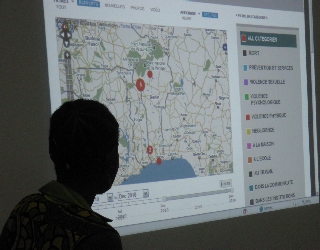
Mapping Violence against Children in Benin

3) Pulling in quick information to guide further investigation, response, or advocacy; pushing out information for targeted actions

ICTs can be used to gather quick information from a broad population. This can be useful in a variety of situations and themes, including those outlined in the MDGs. For example, SMS are being used to report on whether teachers are showing up at school, where violence against children and women is happening, where help is needed in the aftermath of a disaster, and for tracking endangered wildlife. Crowd sourced information can help governments and agencies get preliminary information so that further investigation and support can be provided in a particular area. Another example is the use of mobiles in different health initiatives, including:  child-birth care; HIV and AIDS prevention and treatment programs; support for volunteer community healthcare workers; and bed net treatment reminders. Most of the ICT and development world is also already familiar with the work of two organizations:  Ushahidi and FrontlineSMS who have been combining SMS with digital mapping.

A program that I’m closely involved with is SMS reporting of violence against children in Benin, where local communities, government agencies and NGOs are collaborating to improve the child protection system. This type of program shows promise if heed is paid to the pros and cons of collecting information by SMS, and if those implementing are clear about the type of information that will be gathered, privacy implications, and how the system will complement existing systems. (Here is one document that outlines some considerations). Increasing controls by governments and mobile phone companies, including SIM card registry and Mozambique’s recent government shut down of SMS services during the bread riots are good examples of how quickly the ICT landscape can change, and how flexible and agile those working in the area of ICTs need to be.

Checking info on constituency development fund

4) Supporting accountability and transparency

ICTs are useful to support accountability and transparency, necessary for attempts to track and ensure good use of funding for different efforts, including those related to the MDGs and other aid and development programs. Making information more available to the public by mobile is one such way.  SODNET’s budget tracking tool, for example, informs Kenyans of how much funding is allocated by the Constituency Development Fund to different municipalities in different categories. Combined with mapping, as outlined in this post, the budget information can help constituents to track where their funds are actually being spent.  Other interesting examples of how ICTs can be used for transparency and accountability can be found at TacticalTech’s Info Activism site and at Technology for Transparency.

Paper forms will soon be digitized….

5) Improving municipal services and information management

Civil registration documents, especially a birth certificate, are a precursor to demanding any number of rights or accessing a wide array of services. Without a birth certificate a child may not be able to sit for school exams, receive immunizations or free health care or claim rights to inheritance or legal protection in courts of law. Proof of age is critical in successfully prosecuting perpetrators of crimes against children such as child trafficking, sexual offenses, early recruitment into the armed forces, child marriage and child labor. ICTs are being used to digitize civil registry in Kenya, for example. Not only are records being digitized, but mobile phones are used to make it more convenient for the population to know when their documents are ready. This saves people time and money and means that more parents will register their children.

But wait, there’s more!

These are only a few examples of ways that ICTs are being used at the grassroots level to improve participation, transparency, accountability, debate and ownership of the development process.  The MDGs are lofty, but informed local community participation and ownership is key in efforts to reach them and in ensuring that marginalized populations can also be included.

Please add your examples of ways that ICTs can support development and ICTs in the comments section!

Related posts on Wait… What?

3 ways to integrate ICTs into development work

11 concerns about ICTs and ‘social media for social good’

I and C, then T

MDGs through a child rights lens

7 (or more) questions to ask before adding ICTs

A positively brilliant ICT4D workshop in Kwale, Kenya

The road to Wa is paved

Read Full Post »

mGESA mobile mapping application

I wrote about a mobile mapping tool called mGEOS a few months ago, mentioning that I’d probably get a chance to try it myself in late July. Well that is just what happened.

I was at a workshop on ICT4D, including digital mapping, in Kwale, Kenya, and Peter Njuguna from Plan Kilifi’s District office came to share mGESA (aka Mobile Geographical Services for Africa) with us.

As far as I can tell, the difference between mGEOS and mGESA is that mGESA is a tailored application of mGEOS, designed together with Plan’s community based front-line staff for their specific information collecting and geo-visualization needs in Kenya.

Update: mGESA was the name for the pilot project. The final application is called PoiMapper (see www.pajatman.com). You can give it a try by downloading it and installing it on your mobile!

According to Njuguna, “the application is designed to run on simple mobile phones that have GPS capability and on which you can run applications.” It’s installed on the phone in the picture (update: the phone is a Nokia 6700 classic).

Njuguna explained “In Kilifi, we diverted from the route of going for applications that are there on the shelf or buying an application over the counter. We went the route of developing an application from scratch. We are working with various partners. We have Plan in Finland, we have Plan in Kenya, we have the University of Nairobi and we have the company Pajat in Finland. Plan Kilifi is the implementing office. So that is where we are coming from.”

The project has been on-going for 7 months. The first thing to define, according to Njuguna, was “Why do we need mapping? Why do we need GIS in the first place? Well, we need GIS to enhance the work we are doing and to try to answer some of the questions we are asking on a day to day basis. So that’s why we wanted to incorporate GIS into our work. Everything we’ve developed is towards helping us answer questions and make decisions in our program and sponsorship work. We wanted to build something that would suit our needs.”

The end users of mGESA are front-line staff in Plan Kilifi District office, and eventually in all of Plan Kenya’s district offices. “Kilifi front-line staff have all been involved in developing the application. The first step was developing a list of points of interest, for example, schools, hospitals and health centers, interest groups, water sources, trading centers, and the like; and outlining the kind of information that staff regularly collect about the points of interest for use in their work.

mGESA points of interest

“Developing the points of interest was a challenge,” said Njuguna. “It might look like we just sat down and listed them. But it has been a process. We had to go over and over it. We had to be sure the questions made sense, that the questions that we were asking were the right ones and made sense to people in the field.”

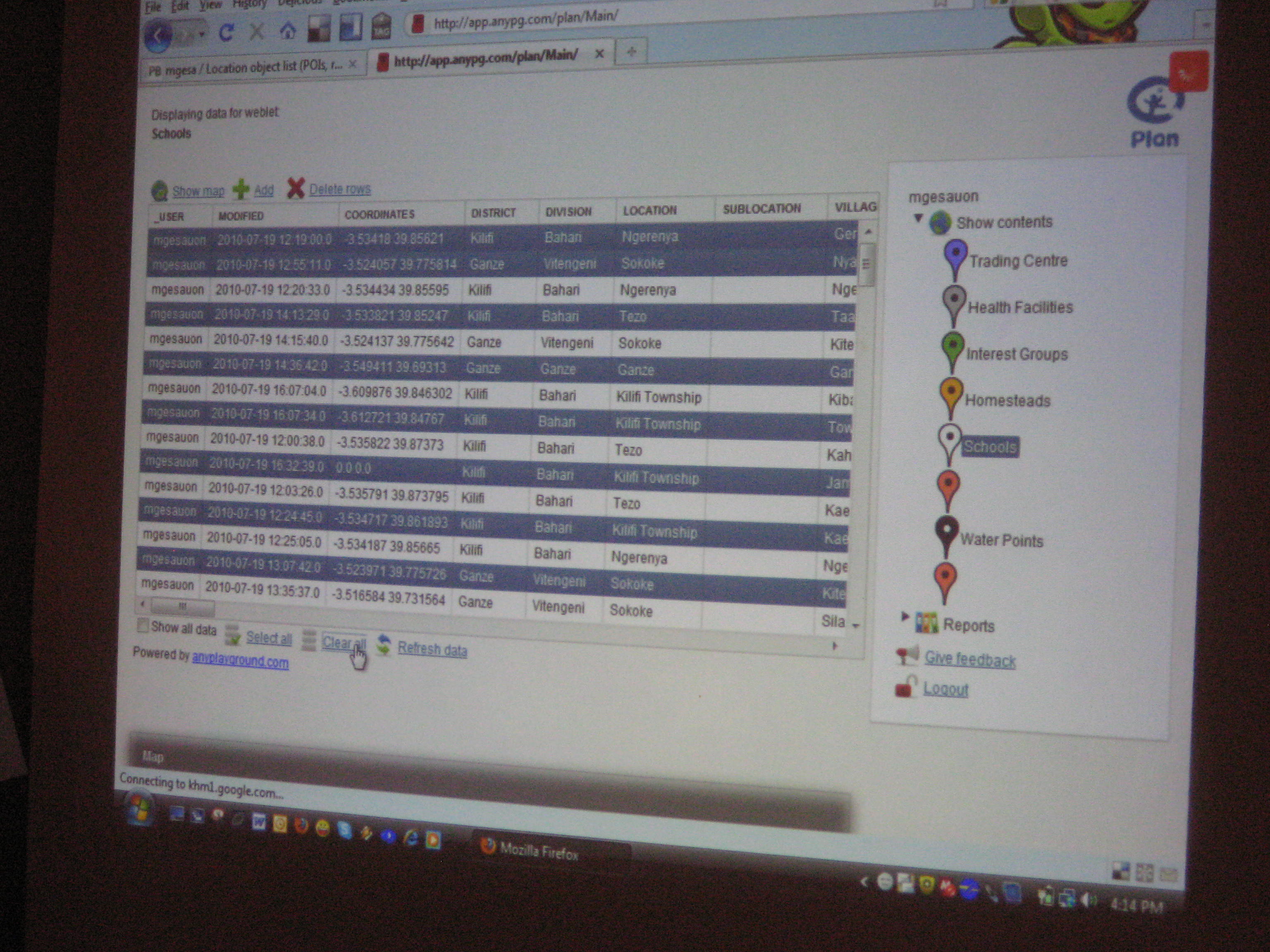
mGESA was tested in the field for the first time in mid-July. Njuguna and the team are hoping to kick off in another 3-4 weeks and start collecting the actual data. When the points are mapped out using the mobile application, then they are uploaded to a server that links with Google (or other) maps. The team is exploring the possibility of getting Kenya maps with administrative boundaries to use as the mapping platform. The data collected in mGESA can be exported into excel and .pdf files.

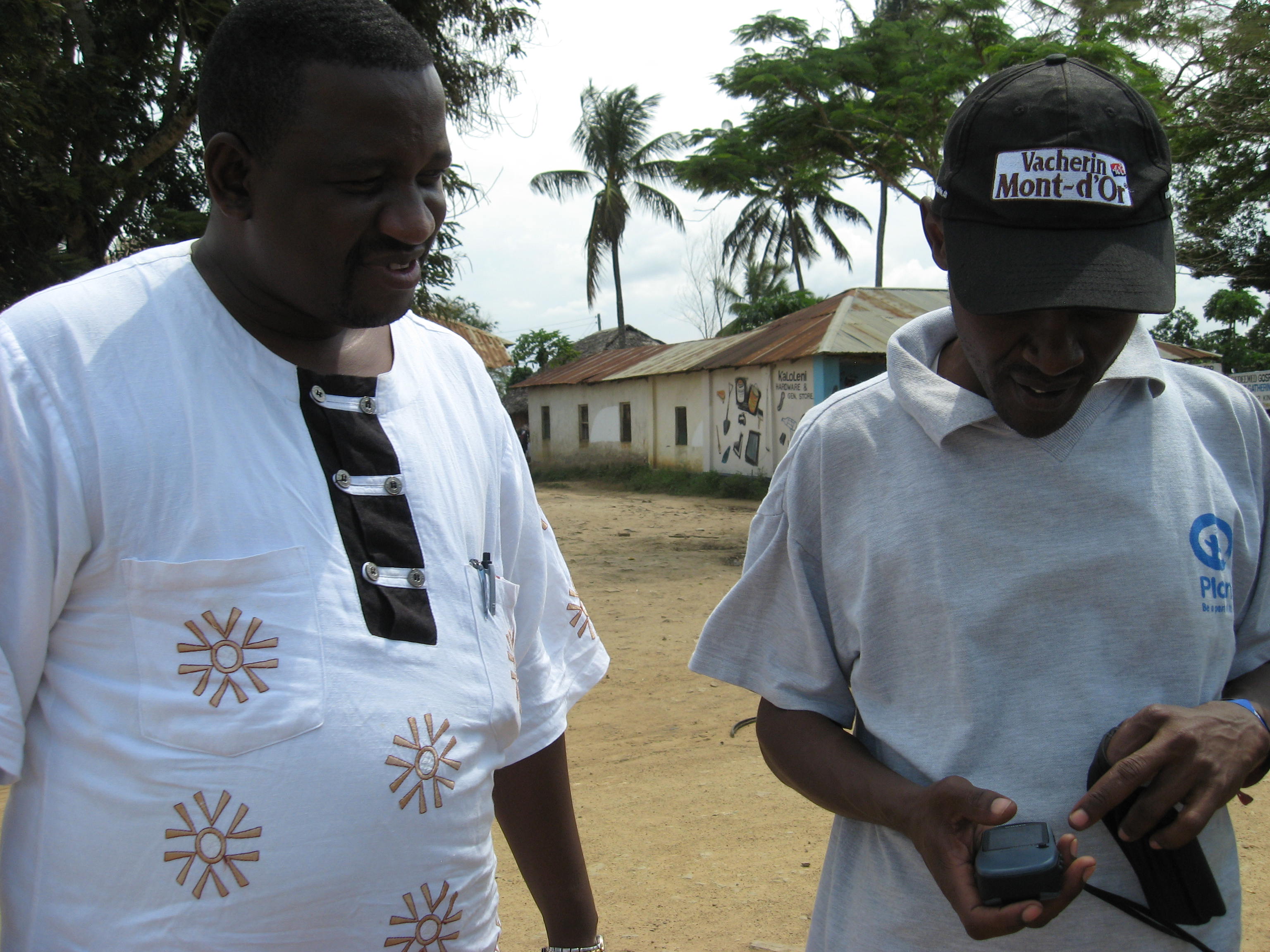
Peter let me try out mGESA while we were doing some GPS mapping in Kinango. He was using the opportunity to test accuracy, and whether mGESA was pulling in the same coordinates as the Garmin GPS units that we were using (it was). I found the data collection process to be quite simple. You basically arrive to your point of interest, take the point on the phone, and scroll through a menu to select pre-existing information (such as name of the district, type of point, etc.) or fill it in yourself. You can take a photo of the POI if your phone has photo capabilities (which most GPS enabled phones should have). I didn’t get a chance to upload data to the server or the web to see how easy that process is.

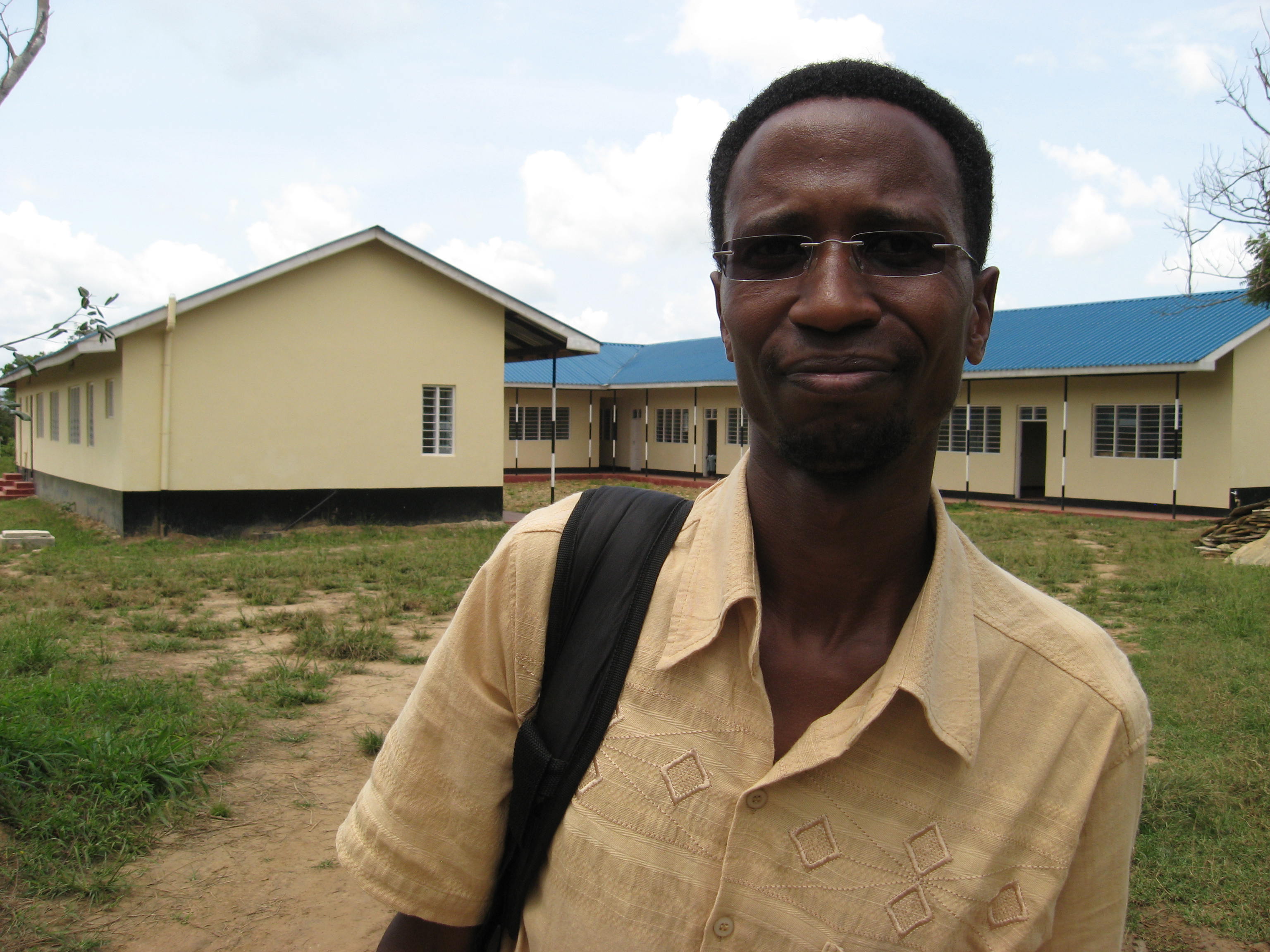
Peter Njuguna, ICT coordinator at Plan's Kilifi District Office

The group at the workshop had just been trained on several ICT different tools, so they had a lot of questions about mGESA for Njuguna:

What phones does it work on?
Any phone with GPS and capability to download an application will work.

Does it use up your airtime?

mGESA will work on the phone even without any airtime, but during testing, it seemed to work faster with about 10 shillings of credit (equivalent to about $.13).

Is mGESA free?

No. The application is in development and will eventually end up on the commercial market, via Pajat Management in Finland.

Can the application produce a base map or only points?

It can map points of interest only.  Later on it should be able to map out lines (roads) and areas.

mGESA data points on the web interface

Where do the points of interest go?

The points of interest that are collected on the phone are downloaded via a USB cable onto a computer, in the same way that you would download photographs from a camera. Then the points are uploaded to the on-line platform, and also then they will be visible on top of a Google map or other kind of map.

Is mGESA compatible with Open Street Maps?

Now that we know about OSM, this is something we shall look into, as it could be quite useful.

Will the information that you collect be public or private?

At this point the information will be closed, because the application is still in development.  Also for privacy reasons, some information will be shared and other information not shared. For example, if we are collecting personal information on individuals, or data that could put someone at risk, this will not be shared on the map.

What types of uses will the application be suitable for?

Plan can use mGESA when determining plans for phasing out of one area and moving into another area, for example. Instead of collecting data and indicators on paper, staff and managers can see this information on a map and the information that is collected can help us to know where to work.  Having the points of interest mapped out and linked with development information, and being able to select out different information layers on the map (on the internet) should make these decisions easier and more sound.

Will communities be involved and able to use mGESA for their own purposes?

Yes, communities will be able to use the information collected to make their own decisions. Communities can also purchase mGESA for their own use. We might also say to them, come and bring your phone and we will install this application so that you can use it for your own purposes.

Why are you developing a software from scratch and that costs money to the end user if there are existing tools available?

We know that GPS gadgets are expensive and so we thought – why not look into a mobile option. We also had very specific ideas and needs, and we had people willing to develop the idea from scratch. It’s a customized application based on our existing information needs and systems, and we can collect it by mobile rather than trying to find and purchase GPS units here in Kenya.

Update: see this post on Mobile Active for more information on the continued piloting of PoiMapper.

Related posts on Wait… What?

mGEOS: a mobile mapping tool

A positively brilliant ICT4D workshop in Kwale, Kenya

Youth mappers: from Kibera to Kinango

Salim’s ICT4D Advice Part 1: consider both process and passion

Salim’s ICT4D Advice Part 2: innovate but keep it real

Modernizing birth registration with mobile technology

Read Full Post »

Salim (left) with Solomon in Kinango community.

As I mentioned in my previous post, Plan’s Kwale District office in Kenya has been a role model for Plan on how to integrate ICTs into community-led programming to help reach development goals and improve access to children’s rights.

I talked with Salim Mvurya, the Area Manager in Kwale, last week and asked him for advice for the tech community (0.15), corporations (1.19) and development organizations (1.57) who want to build in ICTs for moving towards development goals. He also comments on the importance of realizing that development is changing (4.43). You can watch the video below or at this link. If you’re not patient enough to watch a 6 min video (often I’m not!) or don’t have a strong connection, see the transcript below.

You can also view Part 1 of the video, where Salim gives some background on how Plan Kwale has been using ICTs in their programs since 2003 (1.11), shares ideas about the potential of new ICTs (3.42) and talks about some key lessons learned (5.03). Or you can read the Part 1 transcript here.

Transcript Part 2

ICTs and Development Part 2: advice for tech community, corporations and development organizations

My name is Salim Mvurya, I’m the Area Manager for Plan in the Kwale Development Area.

What advice can you give to outside tech people who want to develop something for a place like Kenya?

I think that to get an idea externally is a good thing, but that idea has to be blended with grassroots. It has to be contextualized, because there are very many good ideas which may not be appropriate at the community level. So I think my advice, for people who have ideas, who have never been to Kenya or Africa or in the field, is to leave the process to be home grown, so that the ideas that are coming from outside are building on existing issues, so that the ideas are also looking at what kind of skills and what can be done on the ground, and looking also at issues of sustainability. So it’s very important for somebody from outside the country to be sensitive to local conditions, local context, local skills and also looking at putting ideas that can be self-sustaining.

What is your advice for corporations who want to support the use of ICTs in development?

Corporate organizations who are interested in making a contribution to ICT for development, I think it is important that they foster and have partnerships with grassroots organizations that can really give them the issues because, OK, most corporations are very innovative, but working with grassroots NGOs and civil society that can give them the practical sense of those ideas, I think would be a good thing to do.

What is your advice for colleagues trying to successfully integrate ICTs into their programs?

One thing for organizations that are thinking of utilizing ICT is that you need local capacity. Like, if you have a field office, for example, Plan has development areas, in development areas, particularly for Plan, the ICT technical people should also have an opportunity to lead the ICT for development. What I have seen in the few years that I have been trying this is that it requires also the ICT function to be more available to communities. It requires the ICT function to also work around the program issues that the team is thinking, so it’s not just about looking at systems, looking at computers, but looking at how can all these ICT skills be able to help to develop programs. How can the ICT function be able to support innovations that are also going to enhance problem solutions at the community level. How can we use ICT to strengthen our interventions in the community?

And I must say from experience, that the ICT coordinator for Kwale has been more of a ‘program’ person, and I think that is why we are seeing all these gains.  I remember when we were designing the community-led birth registration one afternoon, we sat together and we were thinking, how can we put all these ideas together and include ICTs in it, so I think it’s about having an ICT function that is responsive to the program issues on the ground and not necessarily sitting somewhere and looking at softwares. You know, even designing a software that would be more responsive to what is happening on the ground, like looking at issues of child protection and seeing how can ICT help the response mechanism. Looking at issues of accountability and seeing how ICT can make a contribution to accountability processes in community.  So I think that is the kind of ICT that would be appropriate in the field, but also an ICT function that can learn. You know, learning from other people, but bringing the lessons closer home to see what can work, and what can’t work.

Any last advice for development organizations around integration of ICTs?

The message that I would want to give to stakeholders and development organizations is that a lot is happening in the world in terms of ICT.  Also recognizing that development is changing… ICT is providing opportunities for greater advocacy and accountability, and I think getting the interest for looking at all this and trying to say ‘what does this mean for development’ I think is very very critical. The youth constituency is emerging as very critical and they have interest in ICT. I know in Kenya youth have been trying different things, different groups, but I think ICT is providing an opportunity for them to strengthen accountability but also to be able to get skills that they can use as individuals that can also make a contribution in economic development.

Related posts on Wait… What?

Salim’s ICT4D advice part 1: consider both process and passion

Youth mappers: from Kibera to Kinango

A positively brilliant ICT4D workshop in Kwale, Kenya

Is this map better than that map?

Modernizing birth registration with mobile technology

Read Full Post »

Salim Mvurya, Plan Kwale's District Area Manager

Plan’s Kwale District office in Kenya has been very successful in building innovative community-led programming that incorporates new ICTs.  I had the opportunity to interview Salim Mvurya, the Area Manager, last week, and was really struck by his insights on how to effectively incorporate ICTs into community-led processes to reach development goals and improve on child rights, child protection and governance.

In this video, Salim gives some background on how Plan Kwale has been using ICTs in their programs since 2003 (1:11). He shares ideas about the potential of new ICTs (3.42) and some key lessons learned since 2003 (5.03).

Watch the video to get the advice straight from Salim. Or if your internet connection is slow or you’re like me and you like to skim through an article rather sit still and watch a video, the transcript is below.

In a second video, Salim gives really astute advice to the tech community (0.15), corporations (1.19), and development organizations (1.57) on how to successfully integrate ICTs to enable good development processes. He also mentions the importance of moving with the times (4.43). Read the transcript here.

Transcript for Part 1:

ICTs and development Part 1: ICT tools for child rights, child protection and social accountability

My name is Salim Mvurya, I’m the Area Manager for Plan in the Kwale District. My core responsibility as an area manager is to provide leadersip to the Kwale team in both program issues and also operational issues within the organization. This week we have been here in a workshop where we’ve been focusing mostly on issues of ICT for development and particularly what we’ve been learning here is the issue of mapping. We’ve also learned Ushahidi. We’ve also learned from our colleagues in Kilifi on mGESA (a local application of mGEOS that Plan Kenya, Plan Finland, University of Nairobi and Pajat Mgmt are developing) and basically we have been looking at this workshop as providing opportunities for using ICTs for development, but more particularly for us in Kwale is the issue of child protection and youth governance.

How has Plan Kwale been using ICTs for issues of child rights, child protection and child participation?

ICT in Kwale has a bit of a long history and it’s because of the issues on child rights. Kwale has a number of issues. Child marriages, issues of violations of child rights through sexual exploitation, and child poverty. So the efforts to do media started in Kwale in 2003 when we rolled out our first video that was done by children at the time to profile some of the issues of child marriage. But more importantly in 2005, we began to think greatly how we can bring the voices of children to duty-bearers and at time we thought of having a children’s community radio.

Because of lack of experience, we were thinking maybe at the end of that year we could launch the radio station. But then it took longer than we envisioned because we needed to roll out a participatory process. Alongside the same time, we had ideas of community-led birth registration which was being done in one community based organization. But later we also thought about looking at how ICT can help us in moving that direction.

Then we also had this idea of inter-generational dialogue, where children and youth can sit with duty-bearers and discuss critical issues affecting them, so we began using youth and video there, children and video, and showing those videos in a community meeting where then people could discuss the issues.  Alongside the same time we were partnering with various media houses and also rolling out radio programs where people could listen and also foster some discussions on children.

So it’s been a long journey but I think what we are seeing is that we need now to consolidate the gains, the experiences and efforts so that we can have a more strategic approach to ICT for Development and this workshop basically provides us with an opportunity and a platform to think much more.

What potential do you see for some of the newer ICT tools for your work in Kwale?

I see great potential in some of the tools that have been learned here this week, more particularly to get information at the click of a button from the ground. We could use the tools to map out resources out in the community, to map zones where there are a lot of issues on child protection, areas where we have issues like low birth registration… There is great potential for the tools that we’ve learned here to assist us not only in planning for projects, but in issues of social accountability. For example if you map out the areas where we have projects for Constituency Development Fund you can easily see where we have projects that have been done well but where we also have projects where maybe communities will need to discuss much more with duty-bearers to be able to, you know, foster issues of social accountability.

What are your biggest challenges? What mistakes have you made?

One thing that we’ve been learning in the process… well, you know sometimes we have ideas that we think can work in the next week, like for example the children’s community radio when we were thinking about it we were thinking that it could take off in about 2 months. But what we learned is that there are processes to be involved. Communities have to be prepared well for sustainability. Children have to be trained, there needs to be capacity building. You have also to conform to government procedures and processes.

The same also with birth registration. We thought in 6 months we could send an SMS and get your birth notification, but what we have also learned is that it takes a process. It takes awhile. You have to get the government buy in.  You also have to work on software, where the government is having a critical input. Because, although it is a pilot, we also think that if it works well then it has to be replicated, so it has to conform with the thinking in government. Also, with the issues of youth and media, one thing that has to be very clear is that you have to get youth who are committed, so you start with a bigger group, and you end up with those who are passionate

So I think it’s very critical when somebody is thinking about ICT for Development that, one, you look at the context: is it relevant to that area? What kind of skills are needed? What kind of processes for sustainability? but also getting the passion. Getting people who are passionate to lead the process is also a very critical lesson.

Related posts on Wait… What?

Salim’s ICT4D advice part 2: innovate, but keep it real

Youth mappers: from Kibera to Kinango

A positively brilliant ICT4D workshop in Kwale, Kenya

Is this map better than that map?

Modernizing birth registration with mobile technology

Read Full Post »

At last week’s workshop in Kwale, we had the good fortune to have 4 folks from Map Kibera with us to train us on GSP and Open Street Map so that we could support youth in 3 districts where we’re working on the south coast of Kenya (Kwale, Kinango, Msambweni) to map their own communities. Jamie Lundine and Primoz Kovacic are Map Kibera staff, and Kevin Otieno and Millicent Achieng are youth who are trained on mapping. See the video above where Kevin and Millicent talk about the experience or watch it at the link here.

Kevin Otieno from Map Kibera

Both Kevin and Milli have been working with the Map Kibera staff since October, mapping out different areas in Kibera. For our introduction to Map Kibera, they started us off with a general overview of Voice of Kibera.

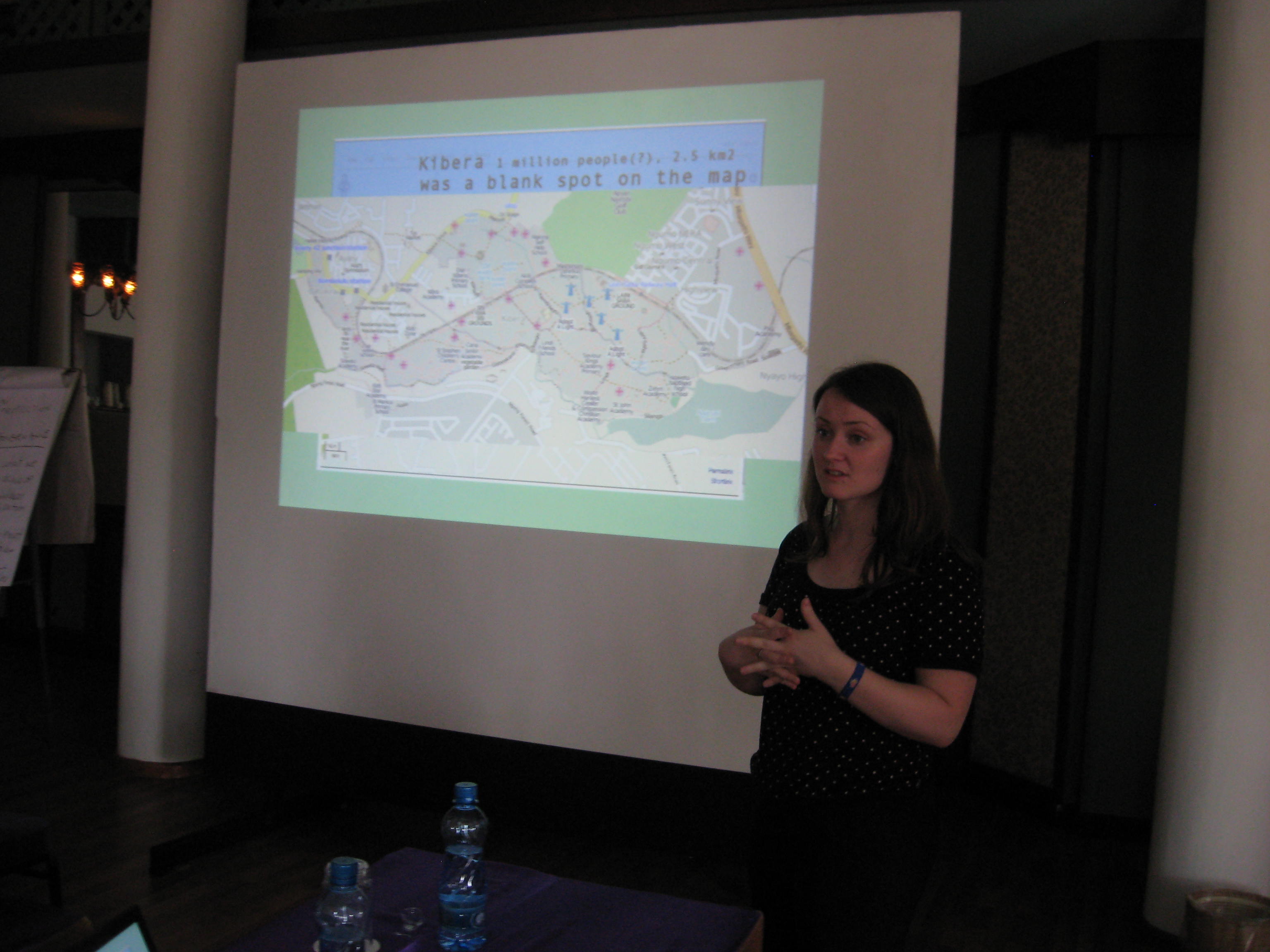
Kibera was a blank spot on the map (just like Kinango). (Jamie Lundine)

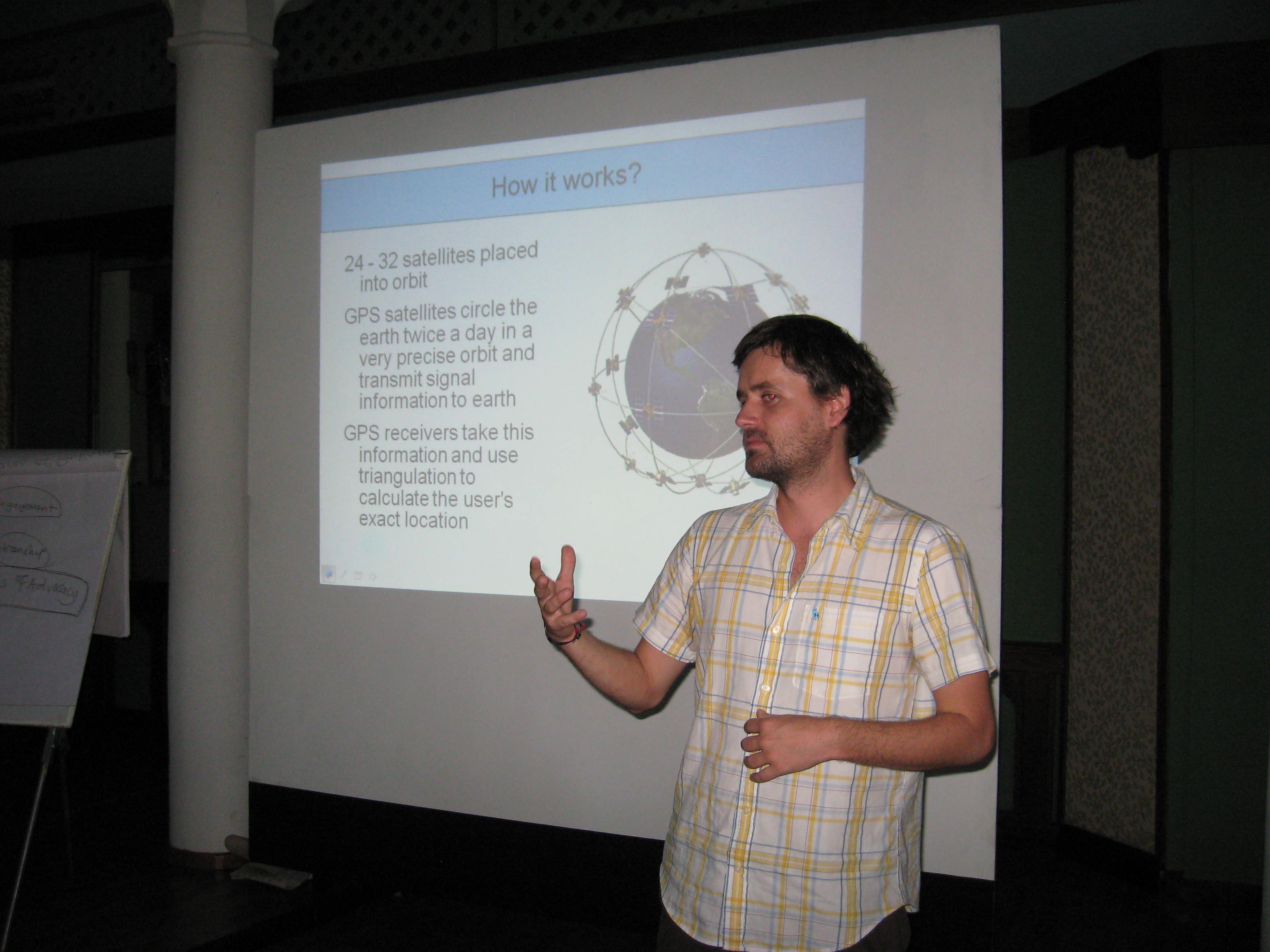
Jamie continued on with an overview of GPS and the Map Kibera project.

How GPS works. (Primoz Kovacic)

Primoz gave us the details on using the GPS devices and Open Street Map.

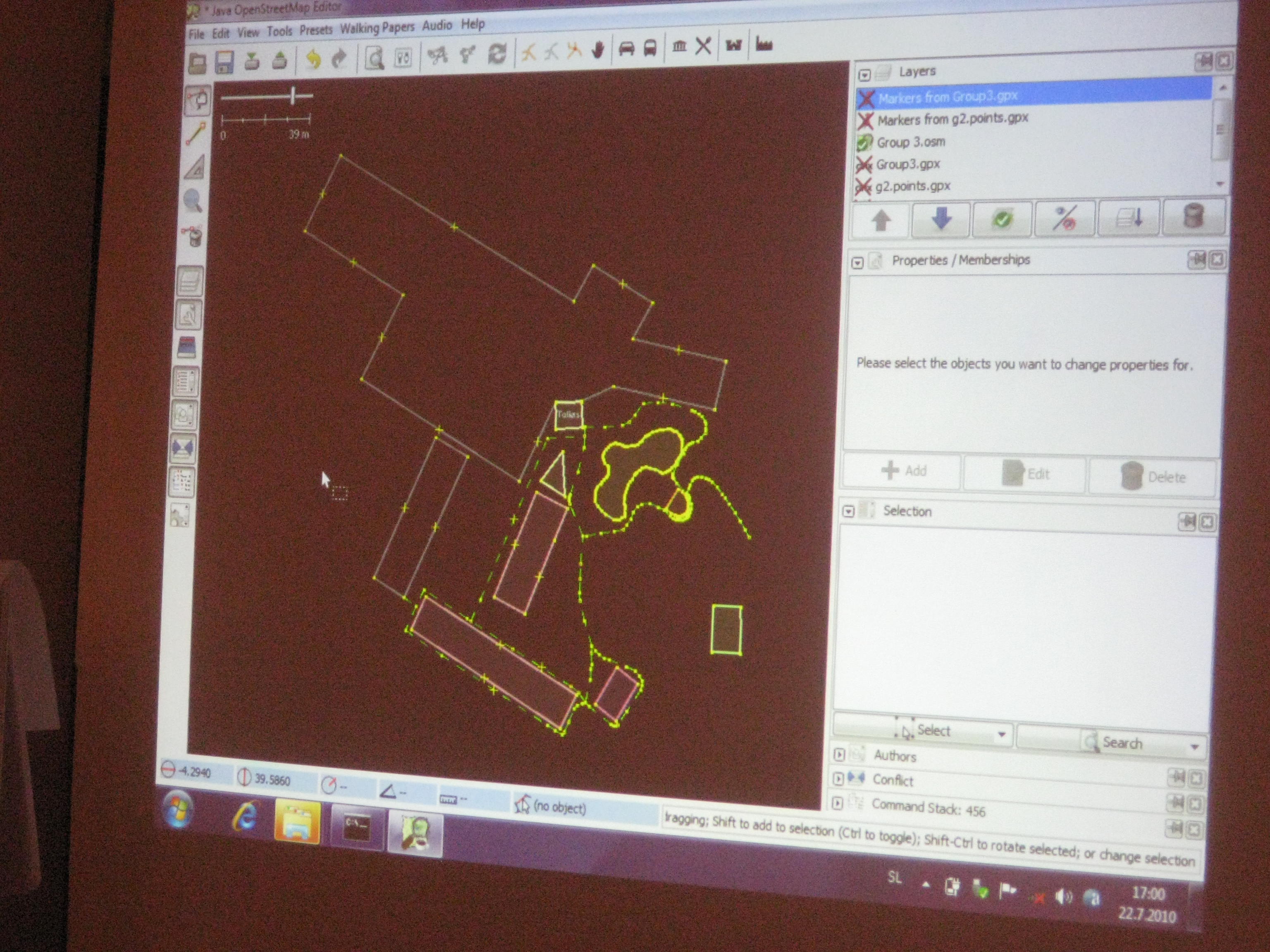
Hotel Kaskazi LTI Diani is now officially on the map

We practiced by mapping out our hotel, and adding it to Open Street Maps.

Then we went to Kinango District to start making the community map there. We met with the District Official and George, the District Youth Officer, explained why we were there. The DO said he’d heard good things about Map Kibera, and he ‘wanted to meet some of those youth mappers’. He welcomed us to move around the community.

The 4 teams did the first piece of the map, and will continue on with it in the future in Kinango but also in Msambweni and Kwale. The maps can then be used for different purposes, such as looking at existing resources and missing resources, or resource allocation, social auditing (eg., the government said that they built something here but it doesn’t seem to exist), tracking and responding to child protection issues, etc.

In addition to that, the arts and media content that youth produce as part of the project will have a much nicer digital map to sit on than what we currently have available… practically no information exists on digital maps about these 3 areas.

Here’s a video about the community mapping. If you can’t access, try the link here.

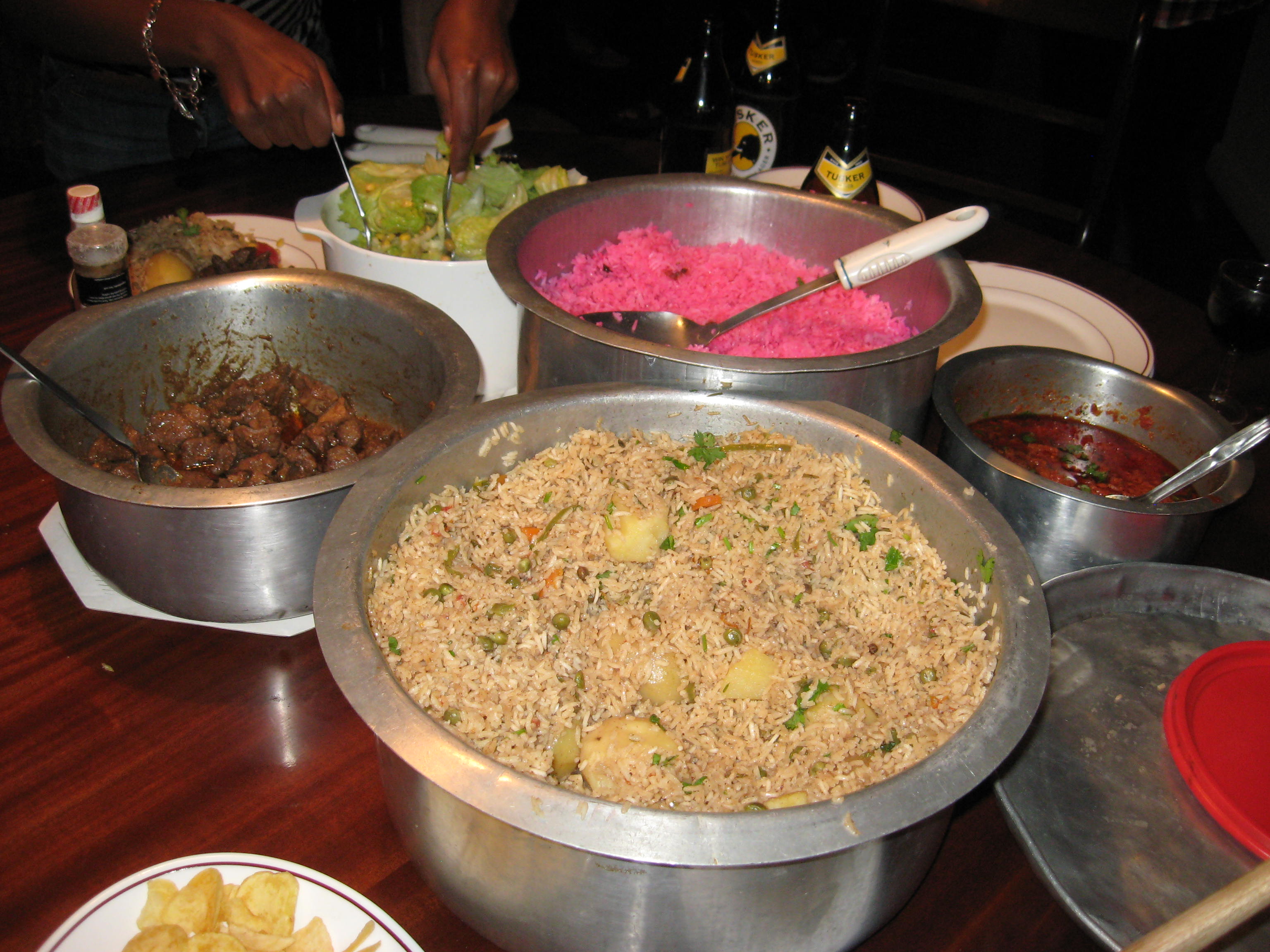
I had the pleasure of attending a Nairobi party on my last night in town and meeting up with Mikel Maron and Erica Hagen, who make up the rest of the Map Kibera team. I also ate some really bright pink rice…. yum….

If cotton candy were rice....

Related posts on Wait… What?

A positively brilliant ICT4D workshop in Kwale, Kenya

Salim’s ICT4D advice part 1: consider both process and passion

Salim’s ICT4D advice part 2: innovate, but keep it real

Is this map better than that map?

ICT4D in Uganda: ICT does not equal computers

Read Full Post »

Nothing to do with the topic of this post, but the Kwale coast is gorgeous.

Last week I was in Kwale, at a Plan Kenya hosted workshop as part of the Youth Empowerment through Technology, Arts and Media program. The team at Plan Kwale has been pointedly using ICTs in their community development programs since 2003 (not counting email and Internet of course) when they began working with radio and video as tools for raising awareness about children’s rights.

It’s really impressive to see how they’ve moved forward with very strategic ideas for integrating ICTs to help reach programmatic and development goals, especially in the areas of youth and governance, universal birth registration, and child/youth-led advocacy around rights and protection issues.

Over the 6 day workshop, the main things we wanted to do were:

  • look at the development context in Kwale, Kinango and Msambweni Districts (South Coast areas where Plan operates via the Kwale Office)
  • better understand the perspective of youth in the 3 districts
  • remind ourselves of rights-based approaches to community development
  • discuss youth issues, governance, advocacy, violence against children and gender within the local context
  • look at the ICTs currently being used by youth, communities and Plan in the Kwale Development Area
  • share and discuss new social media and ICT tools and ways they can be used
  • practice using new social media and ICT tools and see if they can be useful and sustainable in the 3 districts
  • determine next steps for integrating social media and new ICTs in specific local initiatives and plan for how to build on them in Plan Kenya’s overall work

Some elements that made the week positively brilliant:

workshop participants

Engaged and committed stakeholders

We were a group about 20, including staff and university student interns from Plan’s Kwale and Kilifi District Offices and Plan’s Country Office in Nairobi; Government District Youth Officers (‘DYOs’) from the Ministry of Youth, Sports and Culture; Youth Council members from Kwale, Kinango and Msambweni; 2 staff from Map Kibera and 2 youth mappers from Kibera.

This mix meant that we had a variety of perspectives and opinions, including those of youth from local communities, partner organizations, local government, frontline staff, protection and governance technical advisors, ICT managers, and senior level program managers. This helped to ensure that we were grounded in reality, technically and thematically sound, able to cross-pollinate and integrate new ideas with solid experience and practice, and take decisions immediately forward to a higher level.

Local partners and youth-youth networking

Peer-peer learning and exchange among all the participants was a big plus. Plan and Map Kibera have very similar visions and values, yet each has its own area of specialized technical expertise and experience.  The youth participants from local councils from the 3 South Coast districts and the youth mappers from Kibera brought different perspectives into the workshop which enriched the discussions.  We all learned a lot from each other. Combining expertise as partners brought the workshop to a whole new level, and will help to ensure that the efforts are sustainable and can be built on and expanded. The youth in Kwale can now extend their skills to more youth in their communities, the youth mappers from Kibera can take home new ideas to improve their work, the university-level interns gained practical experience, and the buy-in from the local government’s District Youth Officers (who manage government funds) in the 3 participating districts can help provide the necessary support to broaden the efforts.

Flexible workshop methodology

We had certain goals that we wanted to achieve and we were clear on that, but we let the agenda flow. We started by taking a deep look at the local context and resources. We heard from local experts in the areas that we wanted to focus on (youth and governance, child protection) as well as community youth and local authorities. We spent time getting to know some new tools and discussing the pros and cons of using them.

Hands-on with FrontlineSMS

Hands On Work

We had practical sessions and hands-on work on blogging, FrontlineSMS, Ushahidi, Map Kibera, and mGESA (a local application of the mGEOS mobile platform co-developed by Plan Kenya, Plan Finland, University of Nairobi and Pajat Management and being piloted in Kilifi).

This was important for helping participants feel confident about doing some of the work once the training team was gone. I imagine however that more practice will be needed during some follow up sessions, as most of the participants don’t have regular computer and Internet access for enhancing their skills on a daily basis with additional practice and exploration.

We spent one day mapping our Hotel on Open Street Maps, and another day in Kinango, mapping specific points in 4 teams.  Lessons learned during hands-on work included the importance of engaging and involving the community ahead of time, so that rumors about why people are mapping the community don’t fly. In my group, for example, we were moving around with George the District Youth Officer from Kinango. Someone that he ran into joked to him “Oh, now Kinango is going up for sale!”  A joke, but nonetheless if people don’t know why we were mapping, this or other rumours can quickly spread. (See the video about mapping in Kinango at this link and the background blog post here.)

End goals + new tools + back again

By starting with people’s expectations for the workshop, analysis of the local context, and an understanding of the goals that youth and staff wanted to achieve together, we could be sure that we stayed true to where we wanted to end up. At the same time, by learning about new tools, things that weren’t possible before became imaginable and people started to innovate and mix their existing knowledge and experience with some new ideas.

Combining the two, and having a good variety of perspectives in the room and a lot of space for discussion and practice means that next steps will be more achievable and sustainable, because people are clear and agree about where they want to go, and they feel capable of incorporating some new tools and ideas to get there.

The tools

We explored a number of new(ish) tools at the workshop. They had been identified over the past couple years due to their use by Plan or other organizations in areas such as: community development work, violence tracking, advocacy, governance and social auditing.  We talked about mobile phones, email, Internet, Facebook, Hi5, Google search and Google maps. We did a quick overview of Voice of Kibera, use of GPS, Open Street Maps, FrontlineSMS, Ushahidi, the YETAM project, the PlanYouth website, and a Plan pilot project in Benin using SMS to track violence against children.

The first day, the context analysis was very focused on youth and governance, transparency and social auditing, so we pulled out the 10 Tactics video by Tactical Technology Collective (which @hapeeg had given to me a couple days earlier). This video series talks about 10 tactics for turning information into action. It really sparked ideas among the participants for how they could use social media and ICTs in social accountability work and human rights/child rights work.  Map Kibera partners also shared a tool developed by SODNET (SMS for social auditing of the Constituency Development Fund).

We talked about the use of mapping and SMS in child protection work. One of the main child protection issues in the south coast area is the distance that a child, girl, family has to travel in order to report an abuse. Women’s lack of economic power, inability to own property and the importance of marriageability also mean that often women and girls feel unable to speak out or protest abuse when it’s happening. It’s still not certain what role ICTs can play in this context given the risks involved to those who report, but Plan’s child protection point person, Mohammad, is planning to host a series of meetings with local child protection authorities to discuss possible ways forward.

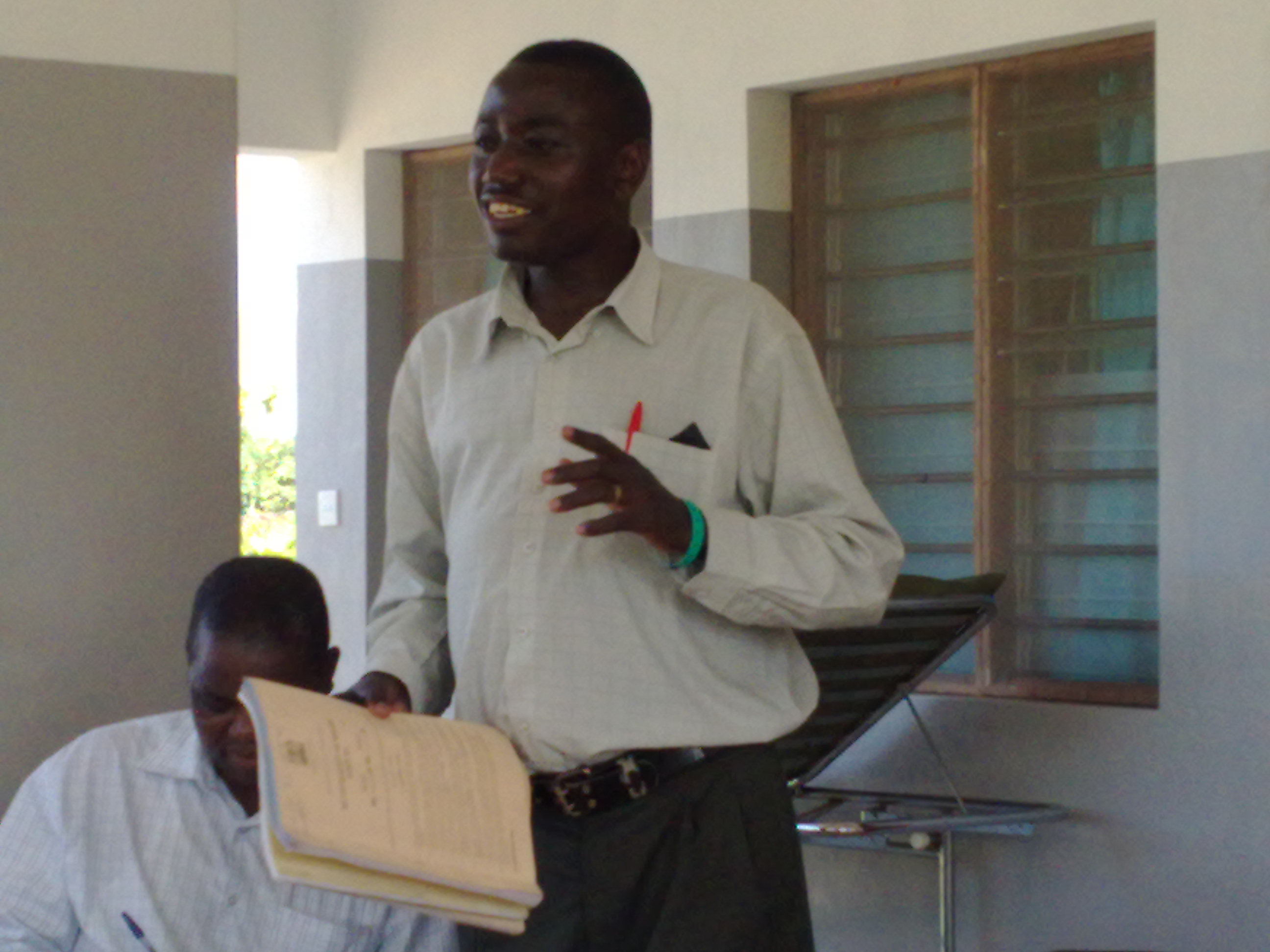
Digital mapping was immediately cataloged as an important tool for identifying resources, advocating for services and holding government accountable through social auditing. It was also recognized as a potential income generator once areas, shops and local businesses could be added to an on-line map, or if youth could purchase GPS units with funding from the District Youth Office and charge for their GPS services. George, the District Youth Officer for Kinango talks in this video about how mapping can be useful to the Kinango community, even if most members don’t have access to computers and broad band. (Click the link or watch below)

Information and communication gap analysis –> ICT integration plans

ICT integration for youth and governance program

Early on in the workshop, we worked in 2 groups to analyze the goals for the Youth and Governance and the Child Protection programs that Plan is supporting in Kwale. The groups discussed the information and communication gaps that needed to be filled in order to move towards the goals of the 2 initiatives. We looked at what ICT tools might best help reduce the gaps, from existing traditional tools (like meetings, face-to-face advocacy, drama, town criers, radio) to those new(ish) tools that we had discovered (see above paragraph) that might be useful to try out given the goals in the 2 key areas. The groups revisited this gap analysis on the last day after having had more hands-on use of the different tools and turned the gap analysis into an action plan.

ICT integration for child protection programs

Management buy-in and leadership

While the 2 groups worked on local action plans for integrating ICTs into their work, senior management from Plan’s Kenya office created their own action plan for how to build on the workshop experience, engage mid-level managers and other key staff in ICT integration, further develop partnerships and solidify cross-cutting incorporation of ICTs into Plan’s work in Kenya. The Kwale and Kilifi program units have been innovators within Plan for several years. Learning from, supporting and building on concrete work that they are doing on the ground allows for a solid and feasible country strategy based on reality. Having a strategy built from the ground up and with solid support and buy-in from national management means that there is less risk of donor led ICT funding, and more probability that new resources mobilized for ICT work go towards real needs and have better results.

Related posts on Wait… What?

Youth mappers: from Kibera to Kinango

Salim’s ICT4D advice part 1: consider both process and passion

Salim’s ICT4D advice part 2: innovate, but keep it real

Is this map better than that map?

ICT4D in Uganda: ICT does not equal computers

Read Full Post »

Youth in Ndop, Cameroon

For the past few years I’ve been supporting the Youth Empowerment through Technology Arts and Media project (YETAM) in several countries in Africa.  The last few weeks I was in Cameroon, where the initiative is expanding to new communities, based on learning from last year’s work in Okola.

The project

The project uses technology, arts and media to spur youth engagement in the community development process and youth-led actions around challenges youth identify in their communities. In the process they think about their personal and community strengths and resources, develop skills for problem solving, team work, research and investigation, and get training on how to use some different ICTs (information and communication technologies). They also build confidence and self esteem and learn how to bring up different issues in their communities and involve their peers, families, local authorities and local leaders in actions to address them.

Audience

The main ‘audience’ for the arts and media is the communities where the youth live and nearby communities. Some of their teachers, parents and local leaders also take part in the project and related training. This helps youth to build up support for their agenda. The arts and media is aimed at engaging communities in dialog and discussion that eventually leads to positive change.  Youth often have opportunities to participate in and use their new skills and their arts and media to advocate at national levels as well. Via the Internet, the youth’s voices are amplified to also reach their global peers and decision makers. For example, the YouTube site for the project has over 100 videos made by youth over the past 2 years.

Youth drawing on issue of water

Actions

Last year, the youth in Okola identified poor quality drinking water as a key challenge. They got the community moving to restore a damaged and contaminated spring bed and improve the water quality (without external funding).  This year we’ve incorporated a stronger focus on prevention of violence and gender discrimination because those were the themes that emerged most heavily across all the participating countries in the past 2 years of the project.  We hope the youth will improve their analytical skills around these areas and begin to look at these issues in more depth, strengthen their understanding of the causes of violence and gender discrimination, and develop strategies for overcoming them.

Process

The whole process starts when staff begin discussions about the project and its goals with interested local communities and youth. It’s a dialog and negotiation process, aimed at building local ownership and partnership for the initiative. Staff identify local partners skilled in the areas of technology, arts and media to accompany and support the process.
Staff and partners learning to use GPS for Open Street Mapping

TOT

A 1-week training of trainers (TOT) ensures that everyone is on the same page with regard to the project objectives.The TOT also helps deepen staff and partners’ understanding of some of the issues such as gender and violence, and is an opportunity to build skills on new ICTs that can be used in the project.  This year, for example, we had a session on GPS and OpenStreetMap because we want to add digital mapping to the toolbox to complement hand-drawn mapping, since both are of value to the work we are doing. (Shout out to @billzimmerman and @mikel for pointing us in the direction of Ernest, our fabulous GPS and OSM trainer from Limbe).

Critical questions

At the TOT, we discuss some of the critical questions in a project like this, such as:

Whose media? The arts and media created in the project should belong to the community, not to the funding organization or the arts and media partners. This has connotations then in how it is attributed and copyrighted, and who keeps copies of it, and what it is used for. The best way to manage this seems to be to see organizations and funders as ‘sponsors’ of the project and to ‘brand’ the media as such (this project was funded by xxx and does not represent official positions of xxx).

My personal bias is that the media and any web associated with the project should not carry an institutional logo or be hosted on an institution’s website, but should be established and managed locally using free tools like WordPress and YouTube with support from partner organizations.  I think that we should be looking at these kinds of initiatives as youth and community capacity building not as an institutional branding opportunity.

A middle ground could be that the media is ‘owned’ by all the involved partners and all can use it to promote their own objectives, or that some of the media supports an institutional position and that media is put on an institutional site, and other media can be created by the community for its own purposes, and hosted/posted on free sites like the ones I mentioned. This aspect can still be a little bit tricky, if you ask me.

Whose agenda? The agenda should be built by and belong to the youth and the community. They are not making promotional materials for us or the local partners. We also should not be censoring media.  This is an issue sometimes when the position of the community does not follow institutional positions.  This can be addressed by resolving the issue of ‘whose media’.

Which media? The project aims at building skills in various media forms. The primary audience is local, and so we help youth learn to select their media form by thinking about the primary audience’s access and media habits or traditions. Often painting, drama, newsletters, comedy, poems and singing, radio, and video are more effective than say YouTube and blogging for getting a message across to local community members who may not have electricity and/or Internet. Digital media serves a purpose, but for a different audience, normally at the national or global level.  In addition, sometimes one tool is better than another for addressing a particular topic, for example, violence may be difficult to portray on a film without identifying the person who was mistreated and putting them at risk of retaliation.

At the same time, the thing that draws a lot of the youth into the project is the opportunity to learn computer skills, to manipulate and manage a camera, to go onto the Internet. So we bring these tools in as well to build those skills in young people, even though they may not have Internet access on a daily basis. We also ensure that youth have access to the tools and equipment they need to continue making digital media and accessing the Internet and computers by working with schools and partners on an agreement for owning and managing the equipment and supporting youth to use it.

Media for what? We all know that kids can make amazing arts and media and that they can learn to use computers and cameras and mobile phones without a problem. So what? The goal of the project is what children and youth learn in the process of making that media, what skills they build, and then what they actually do with their skills and their art and media that counts, what changes do they achieve for themselves and in their communities? How do they generate dialog while making the arts and media and/or how do they use their final ‘products’ to push for positive change.

Adapting to the local setting

During the TOT, partners and staff create a detailed plan for how they will train the 60 or so participating youth on technology, arts and media over a focused 2-week period and beyond through refresher training and hands-on work. We’ve set the goal of 30% theory and 70% practice to help guide partners and facilitators as they prepare their sessions. The goal is not training professional artists, journalists and technologists – it’s using arts, media and technology as tools for youth participation, action and advocacy.

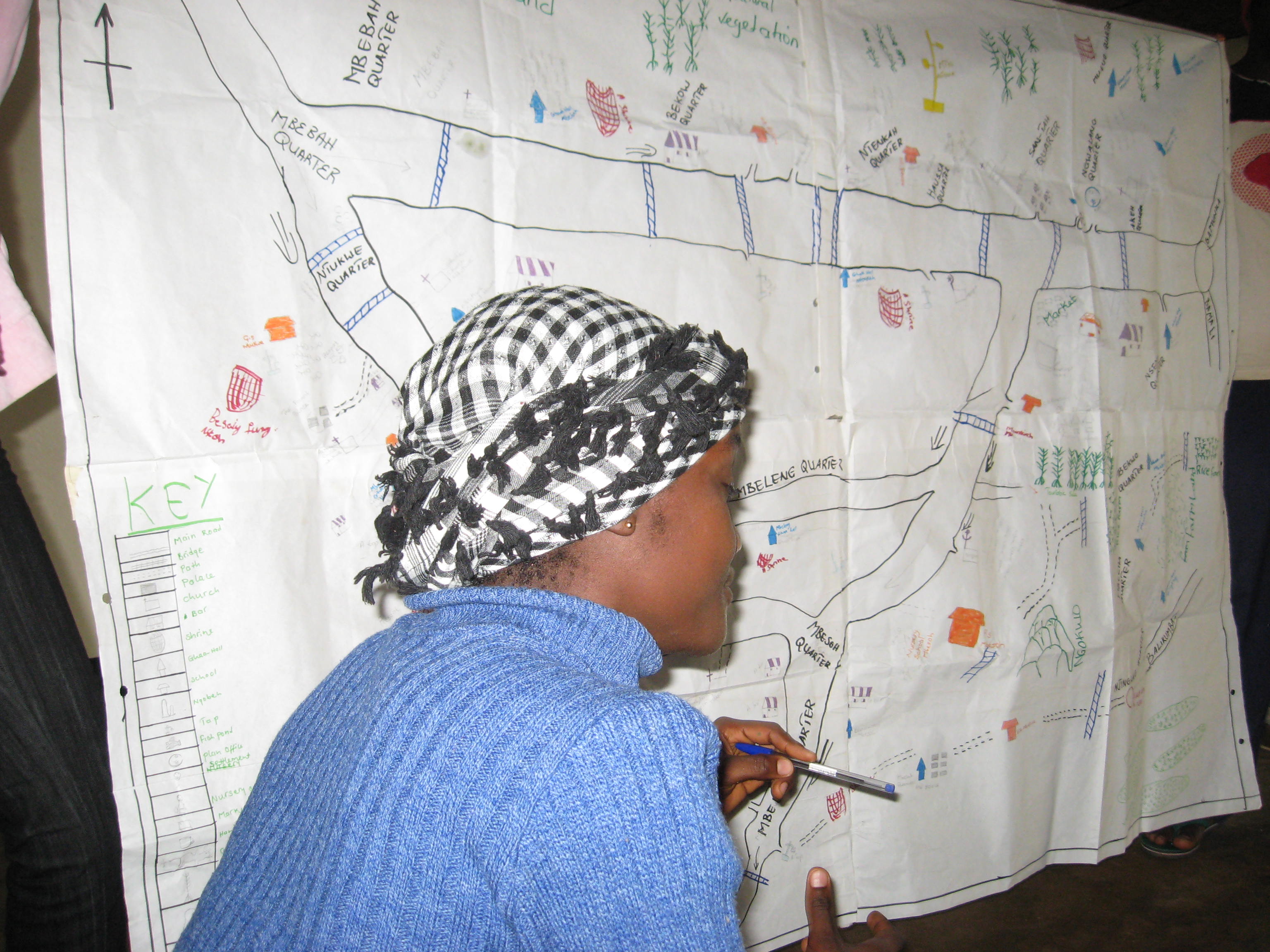
Mercy presents the youth's map

Mapping

To identify the themes that the youth will focus on, we facilitate a participatory mapping process. The youth create a base map of their community and discuss the community’s history and what makes it unique – they create their community profile.

Then they identify community resources and risks based on the 4 categories of child rights:  survival, development, participation and protection. In other words, they identify what exists currently in the community that supports children to survive and develop, and how the community currently protects children, and what spaces children currently have to participate.  They then look at where those 4 categories are not doing so well, and where children are at risk.
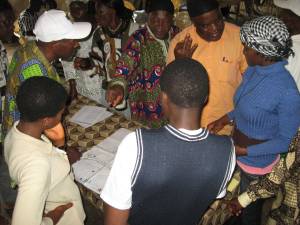
Youth, parents and local authorities discuss the map

The map is shared on the first day of the youth workshop and discussed with participating teachers, local authorities and parents in order to generate additional input and to get buy-in from the adults.  In small groups and plenary, they together prioritize the issues and decide which ones they will focus on during the workshop and beyond, using arts and new media tools. In follow up sessions, they will also make a digital map of their area for uploading to the Internet, and their arts and media work will be uploaded as points on that digital map. The digital map and the hand drawn map bring distinct benefits to this kind of process.

I love mapping. It’s a really interesting process, because when you start by looking at resources and when you are working with youth, so many things come out that would not come up if you came in and asked about needs or problems and only worked with adults. Communities are used to NGOs coming in to ask them what they need, to train them to see only their problems and to feel like victims, and to then expect the NGO or external agent to ‘resolve things.’ If you start by identifying only needs and problems, there are so many things in a community that will be missed. I notice that youth are not as well-trained as their parents in playing the victim. They are much better at talking about their community and what it means or holds for them than their parents are. When I show up as an outsider, they often want to show me beautiful places, special places, things they have and are proud of, not their needs and problems.

Some of the challenges youth identified and will work on

The real work

After the workshops comes the real work.  The partner organizations, staff, teachers and community leaders who are involved support the youth over time to continue their learning in the different areas, to do refresher training in areas they didn’t fully catch during the first round, to generate dialog in the community around the themes youth have identified, and to work on the issues they have identified through organized youth-led actions and advocacy at different levels and engaging decision makers at the local, but also district and national, and sometimes even global levels.

This is where the real change happens and is the real heart of the initiative.

My Cameroonian colleague told me one day ‘This project is like a catalyst in my body.’ It has motivated and driven her to learn new skills and take on new challenges, to push herself to new levels to achieve the goals set out. I’ve seen it have the same effect on the youth and on myself as well. In the end, that is what we want to achieve — motivated and engaged people, working together to make positive change in their communities and beyond.

Resources

This morning I came across this toolkit ‘A Rights-Based Approach to Participatory Video Toolkit’ by Insight, and I absolutely love it. It pretty much spells out what we are doing (though we had nothing to do with writing it up), and confirms a lot of the hunches and ideas that we’ve had while developing the program. I highly recommend it if you are working on rights and media.

Read Full Post »

« Newer Posts - Older Posts »